

Lhasa Apso

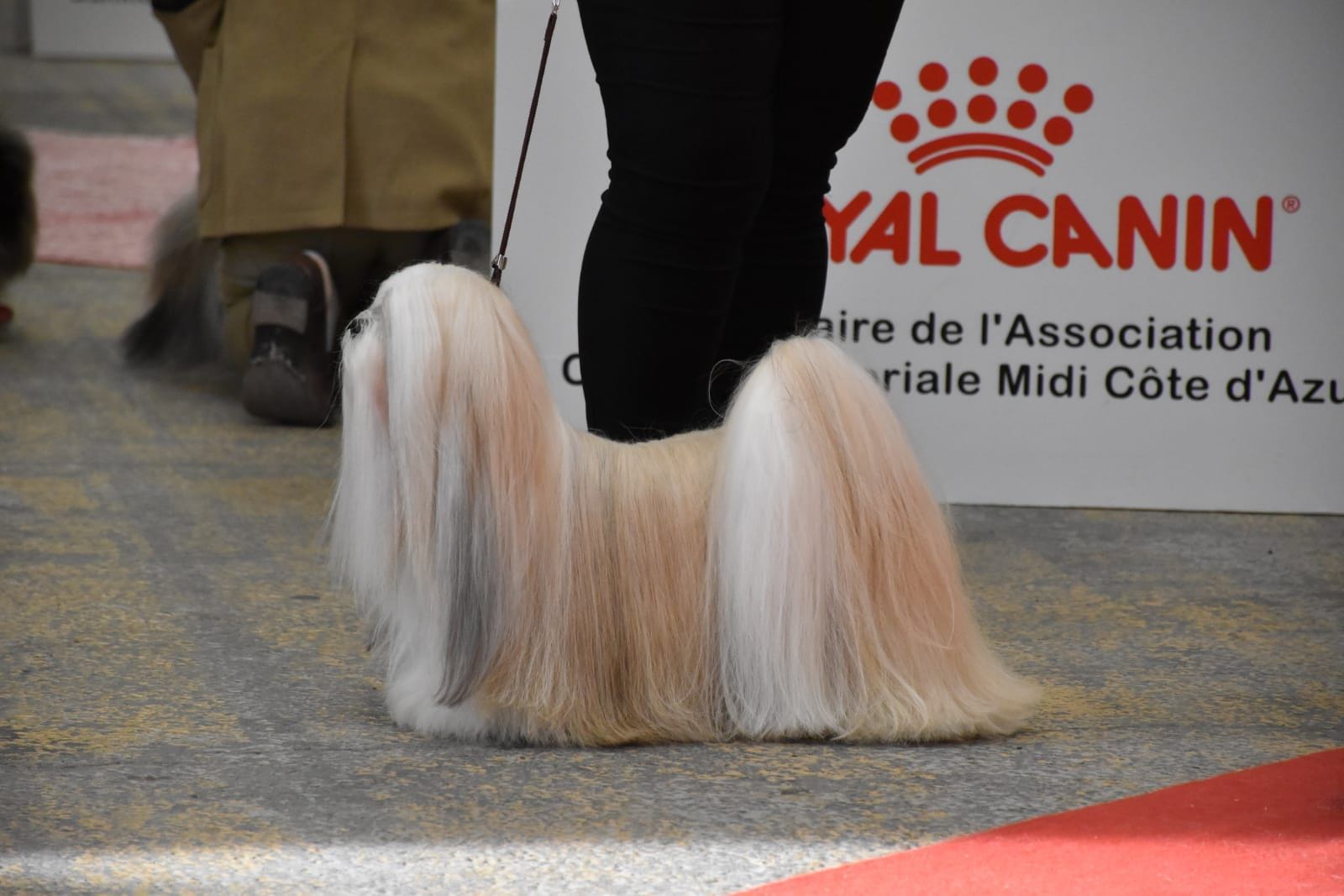
Lhasa Apso: dedicated breed profile & GROOMING
Simple Program & Effective :
BAIN PRO, HYDRATING CREAM & AQUA BEAUTY
Full Program & Ambitious :
BIO ENERGY, 4 ELEMENT OILS
AQUAROSA PRO
AQUA DOLCE, HYDRATING CREAM, BOMBASTIC
AQUA BEAUTY
History of the Lhasa Apso
It is more likely that this Tibetan breed only arrived on our continent at the beginning of the 20th century. The first recorded imports to Europe were gifts to diplomats or dignitaries. It was via Great Britain, which had colonies in India and Nepal, that it reached us. In 1908, the Lhasa Apso made its first appearances at British dog shows, where it began to win over an audience of enthusiasts. However, it wasn't until 1934 that the breed standard was written, under the auspices of the Kennel Club. The history of the Lhasa Apso in France is more amusing. It was quite by chance that Violette Dupont discovered a strange dog in the window of a pet shop in Lille in 1949. Immediately charmed, she decided to buy it, but not before hearing the story of this unknown dog. Two English sailors, returning from India with Tibetan Mastiffs, were forced to give them up due to the quarantine (already!). They then sold them to a family in Antwerp during a port call. One of the dogs was given to a captain who intended to present it to his daughter as a wedding gift. The gift was so poorly received that the animal was resold to that famous pet shop. Jerez finally had a real home where he brought so much joy to his owner that she decided to get him a companion. In 1952, Violette persuaded Mr. and Mrs. Cutting, promoters of the breed in the United States, to give her a magnificent female, Hamilton Rang Mar.
This entire small family is at the origin of the first bloodlines. Daphnis, the first male offspring of this cross, was later mated with his mother, who gave birth in 1952 to Fô de l'Anna-purna. Quickly becoming a renowned champion, he is undoubtedly the one who contributed most to the promotion of the breed. Violette Dupont's work did not stop there: in 1960 she created the Lhasa Terrier Club (it was only in 1987 that the SCC adopted its current name, the Lhasa Apso).
Lhasa Apso Maintenance
Provided the Lhasa Apso doesn't run wild in the garden or undergrowth, two to three brushings a week are sufficient for routine maintenance. Don't be fooled by appearances: a superficial brushing isn't enough. You need to brush thoroughly to reach the undercoat and prevent matting. Neither woolly nor silky, the Lhasa Apso's coat has a very particular texture. Specialists describe it as "goat-like," and somewhat brittle. The mistake to avoid is brushing it dry, as this can damage it. It's best to dampen, or even lightly oil, the coat before brushing.
Frequent washing is absolutely essential. A weekly bath is ideal. The quality of the coat is paramount! Therefore, only high-quality products should be used. Choosing these types of products is not a luxury, but a guarantee of success.
Some breeders use hair clips to prevent wear and tear. Opinions are divided on this. It's a long and meticulous process that must be carried out with precision, otherwise it can do more harm than good. Some breeders renowned in the beauty contest rings have abandoned this practice. They limit themselves to using hair clips on the head, the whiskers (to prevent chewing them!), and the tail. However, they say they work with lines "rich in hair" and acknowledge the usefulness of hair clips for dogs that struggle to grow their coats. The protective role of its long fringe is only justified in its native environment: effective against the cold and wind. But far from Tibet, it's more important to allow it to see clearly by tying it up with elastic bands. Otherwise, it might become somewhat skittish.
Conversely, at the risk of upsetting the purists, some owners prefer to limit the Lhasa's coat by having their groomer give them the "teddy bear" cut, which leaves the dog looking like a puppy and greatly reduces maintenance.
Lhasa Apso Education and Behavior
The Lhasa Apso has a strong character. A big dog in its head, it is naturally the pack leader, even when living with larger dogs. It treats its owner as an equal, but is demanding. Relationships with a Lhasa Apso are based on mutual respect.
He is a worthy companion, very obedient as long as you speak gently.
Gentle and calm, he's perfect for children. But he's not a toy! Don't insist when he's decided to stop. In the street, he doesn't spontaneously greet strangers, but he's neither distant nor haughty. If someone knocks on the door, he'll let you know.Within the limits imposed by his size, he guards the house! Intelligent, he'll easily understand what's expected of him. No need to raise your voice, he'd get offended! Attentive, observant, and calm, he's a happy and comfortable companion.
Lhasa Apso health: the vet update
The Lhasa Apso is a hardy dog: let's not forget that it's a mountain breed. At ease everywhere, it fears neither the harshness of winter nor the heat of summer. Paradoxical? Simply logical if you understand that its abundant fur is the key to this double protection: the coat insulates against the cold, but also allows—if it's properly brushed and no large mats have been allowed to form—a protective layer of air to combat the heat. The Lhasa Apso is robust in every respect.
With a lifespan commonly reaching 15 years, it is largely unaffected by diseases and genetic defects. The club's proactive policy of encouraging breeders to have the eyes of their breeding stock x-rayed and examined is purely preventative, a commendable initiative that deserves to be highlighted.
We hope our advice has helped you in your research and that you now know which path to take to maximize your chances of achieving a stunning result!
Our Shopping List
Here is our selection!
Retrouvez tous les produits Special One selectionnes par nos toiletteurs partenaires.
Voir la gammeContinuez la lecture

The R&D at Special One
Special One: The perfect alchemy of nature, science, and cosmetic innovation at the service of animals ...
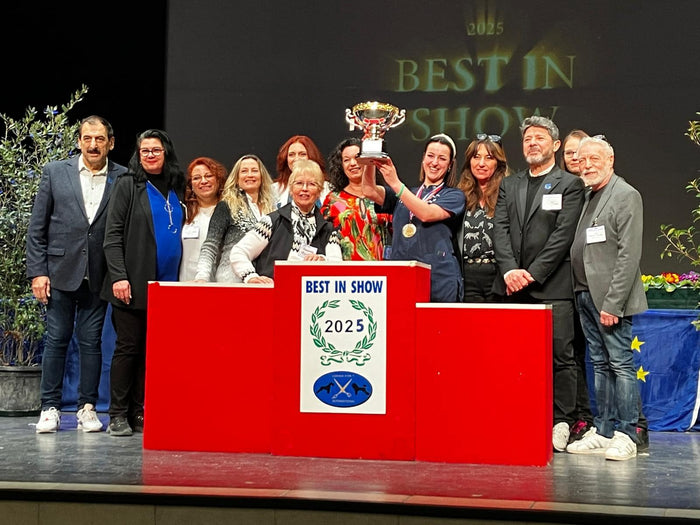
Allison Cabibbo: for the 3rd time in a row, the European Grooming Championship is won by a Special One groomer
We are incredibly proud to announce that our Special One ambassador has just won the prestigious title of E...
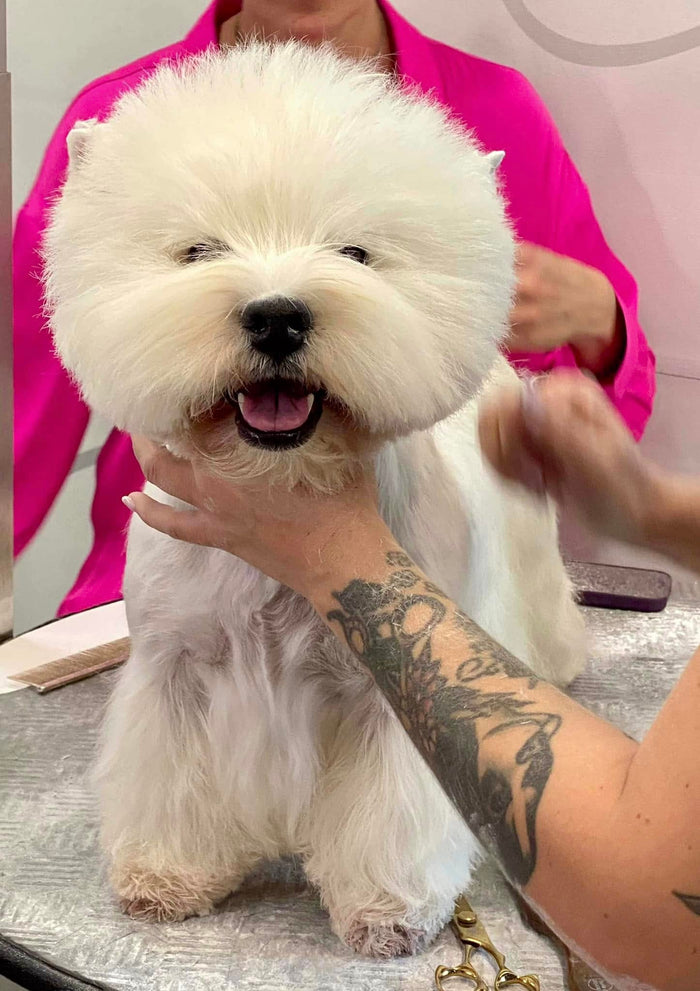
West Highland White Terrier Grooming by Eve Raison & Aurore Guérin with Special One
A big congratulations to these talented groomers, members of the French grooming team, Eve Raison and Auror...
Réagir à cet article