


Behavior: Stress in dogs
Any questions? This is the place!
If you can’t find what you’re looking for, send us a message via the chat.
Who hasn’t felt the need to unwind at some point? Our lifestyle exposes us daily to oppressive physical and psychological stimuli. These tensions, pressures, or assaults inflicted on us by our environment are commonly grouped under the catch-all term “stress.” This word of English origin, which has entered everyday language, refers to the cause, but is also used to describe the reaction—the effects we experience when exposed to these assaults. The consequences of these repeated pressures are most often limited to a vague feeling of unease and psychological discomfort, but physical and behavioral symptoms may occur.
Why is my dog stressed?
Work, children, relationships, an overly noisy environment, crowded public transportation, or daily commutes in traffic jams... the list of potential stress factors for humans is long.
Stress is also a constant part of a domestic animal’s life: studies aimed at improving the well-being of farm animals have shown that living conditions (available space, transportation conditions, etc.) are major stress factors that can even influence the quality of milk or meat.
In our pets, the stress factors that may contribute to the development of anxiety are numerous and varied. They are fairly similar in dogs and cats:
- in dogs, changes in living environment (moving house, boarding, holidays, etc.), temporary changes to their surroundings (unusual noises such as thunderstorms, periods of solitude), or changes in their routines (walk and meal times) are some of the main factors contributing to stress or anxiety.
- the cat will also be particularly sensitive to the presence of several other animals, its owners’ stress, hospitalization, etc.
What can happen if my dog is too stressed?
How can I prevent or combat stress in my pet?
Here is a selection of the products we offer
Retrouvez tous les produits Special One selectionnes par nos toiletteurs partenaires.
Voir la gammeContinuez la lecture
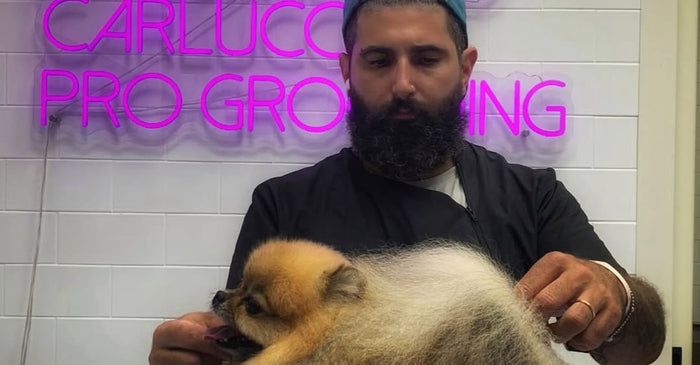
Training in Belgium by Massimiliano Carluccio & Special One France on Petdesign.fr
✨ Perfect your grooming with Massimiliano Carluccio! ✨ Do you dream of excelling in the art of dog groomin...
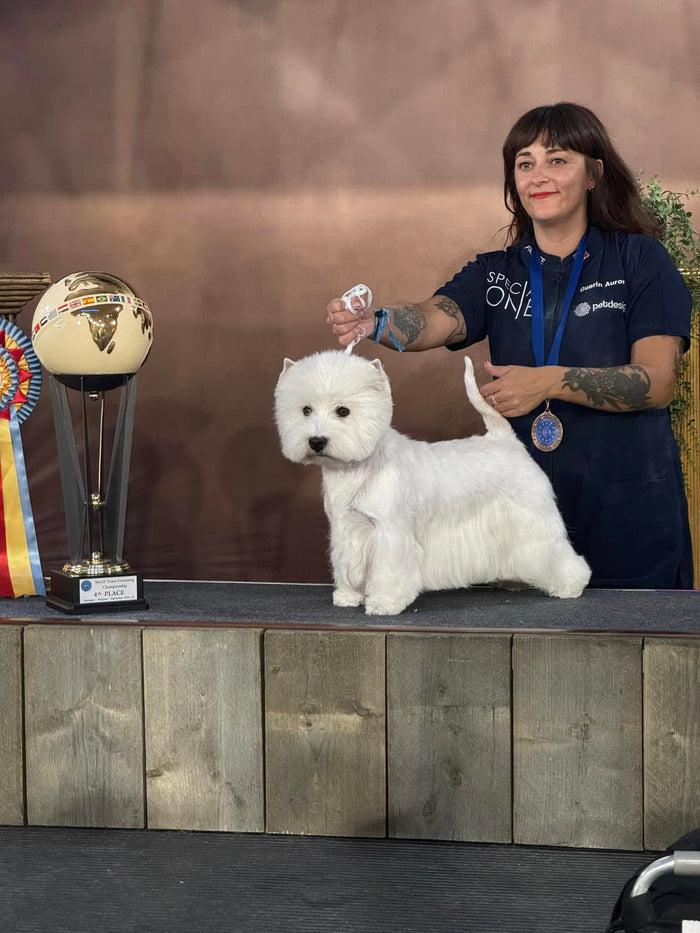
Aurore Guérin's training in Belgium & Special One France on Petdesign.fr
Perfect your technique with Aurore Guerin, a grooming champion! Dog grooming enthusiasts, this training da...
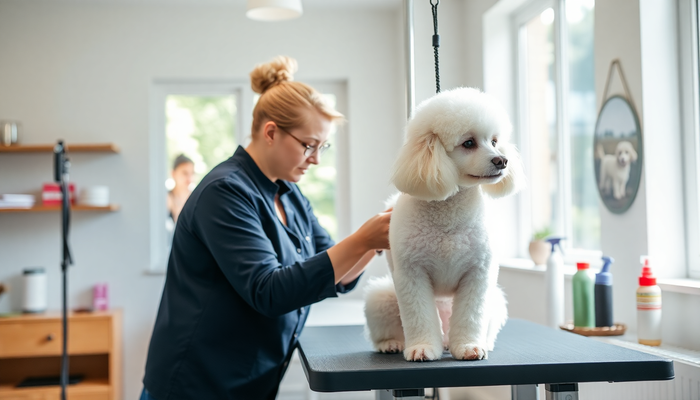
Perfect Poodle Grooming: Expert Advice for an Impeccable Coat
Do you own a poodle and are looking for the best grooming tips? You've come to the right place! In this art...
Réagir à cet article