

Educ
Whether it's an adult dog or a puppy recently separated from its mother, certain rules must be followed from the start. Dogs are part of our daily lives and bring undeniable joy. But they can also be a real source of problems. That's why adopting a dog is not a decision to be taken lightly. Proper training prevents many unpleasant situations.
The basic rules to follow
First, upon arrival, you must let him get to know his new home. He will discover the family members and the environment in which he will now live. Generally, one or two days are needed for this adjustment. He will quickly choose the places where he feels most comfortable. However, you mustn't let him do whatever he wants under the pretext that he is young or, if he is older, that he needs to find his bearings. Indeed, dogs very quickly learn to distinguish between what is allowed and what is not. For example, if you tolerate him settling on the sofa or in the bed at first, it will be difficult, if not impossible, to get him off once the little ball of fluff has transformed into a large dog weighing 60 kilos. Don't think it's any different with a small Yorkshire Terrier or a Dachshund. Despite their size, they can cause considerable damage in a very short time.
That's why it's important to show the dog who's in charge of the house by forbidding him from getting on the beds and giving him his own toys. You also need to choose where he eats and forbid him from begging for food. Furthermore, he should eat after his owners, as in a pack where the leader eats first, and have his own place to sleep (a mat or a kennel), always located away from doors and windows, so he doesn't feel like he's controlling who comes and goes in the house.
These few simple rules help restore the dog to its rightful place within the pack. It must understand that it is the subordinate and that you are the dominant one. It is within the stability of the pack hierarchy that the dog will find its balance.
This rule applies to all dogs, regardless of size. It prevents a Dachshund from becoming the family tyrant, baring its teeth when anyone approaches its sofa or nipping at the calves of visitors. The key is to maintain consistent behavior. Don't suddenly allow something that is usually forbidden. Be firm, but don't go overboard! This is how the bond of trust that develops over time between a dog and its owner will be preserved.
To establish his authority, the owner must begin training his puppy from the age of 3 months. Simple commands using simple words should be chosen at first.
Two methods are generally recommended:
- either we let the puppy take the initiative: for example, as soon as it sits, we give the command "sit" and praise it. The same goes for "down" or "stand". The dog will gradually associate the command with the action and the owner's satisfaction;
- Either the owner guides the dog into the position while giving the command. For "sit," simply place one hand under the puppy's head while the other presses on its rump. Naturally, this combination of forces will compel the dog to sit. For "down," continue the movement by pulling the two front paws forward. Repeated sessions of a few minutes each day generally yield good results. Similarly, reward the dog as soon as it obeys.
The "stay still" command is more difficult to achieve. It requires greater attention.Therefore, you must wait until the puppy is older to ask this command. Initially, you give the command "sit" and place an object (for example, its collar) on the puppy's head or nose. You give the command "stay," and as soon as the puppy lowers its nose and knocks the object over, you express your displeasure. However, if it stays still for a few seconds, you should, of course, praise it. Gradually, you will require longer periods of stillness. Eventually, you will ask the dog to stay when you walk away and to come back to you on command.
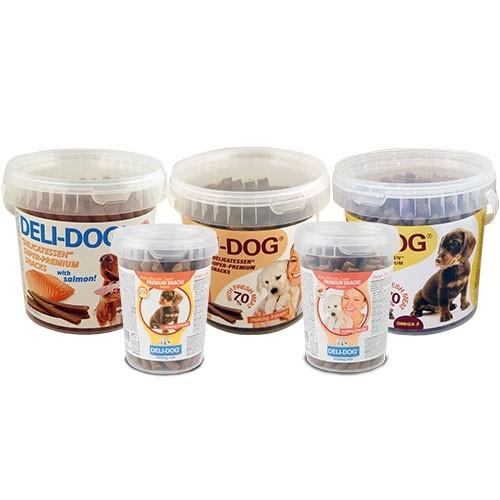
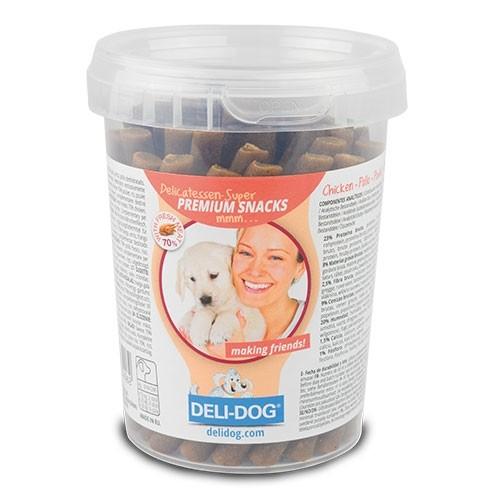
Dog Reward Treat
Better than liver Fresh meat discounted by 70% (three protein varieties to choose from: chicken, salmon…
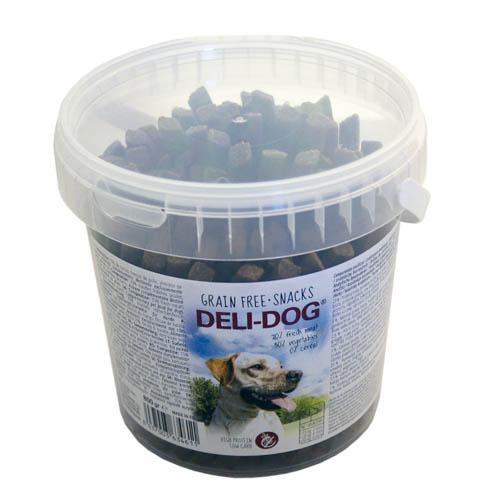
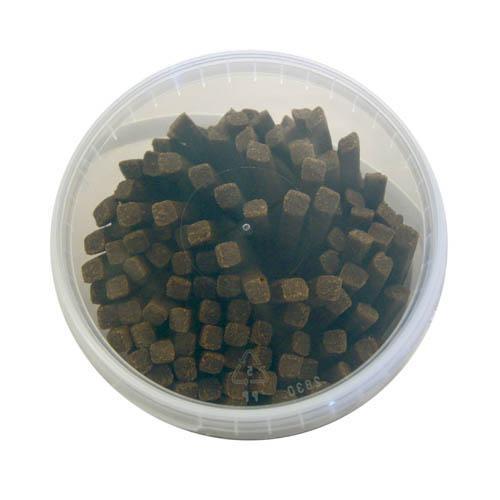
Grain-Free Reward Treat
Delicious reward for dogs. They love it and it doesn't stain our pocket or hand. Nowadays,…
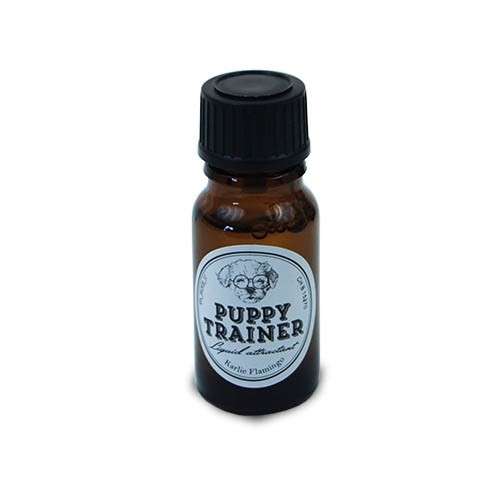
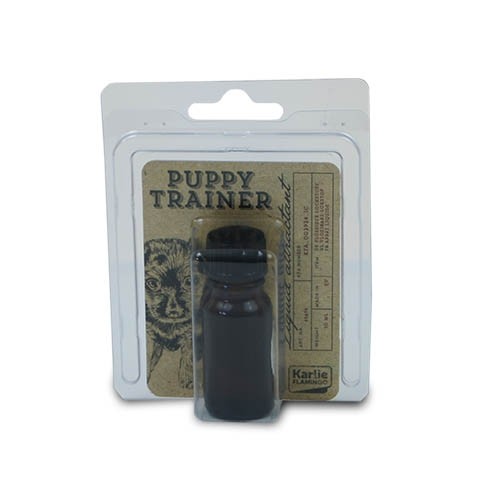
Puppy House-Training Liquid – Guide for Teaching Puppies Where to Relieve Themselves
Liquid for Puppy Potty Training Very useful for teaching your puppy to urinate in a specific…
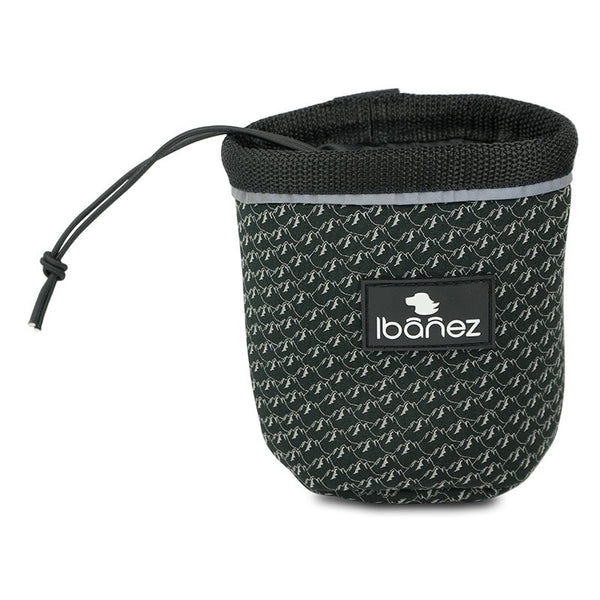
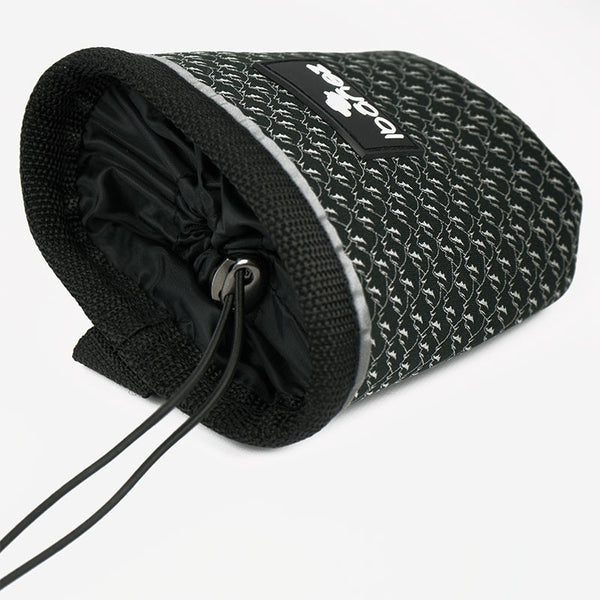
Iba "TREKKING" Dog Treat Bag
Iba "TREKKING" Treat Bag The perfect treat bag for walks with our dog, as well as…

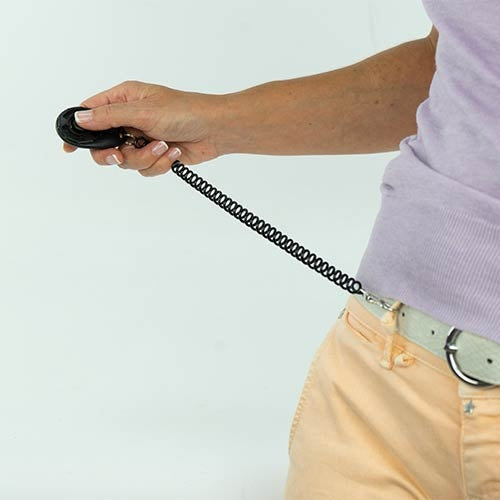
Dog Clicker - Training and Obedience
Ibáñez Clicker with Elastic BandBenefit: Make positive training easier for your dog with the Ibáñez Clicker,…
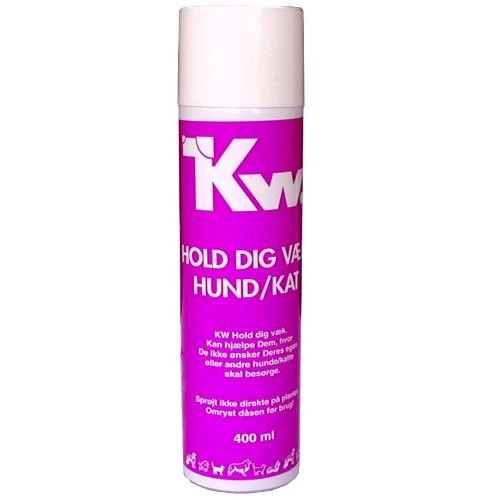
Anti-Urine Repellent Spray – Prevents Animals from Urinating in an Area
Kw. Urine Repellent Prevents dogs and cats from urinating where it has been sprayed. Contains 400…
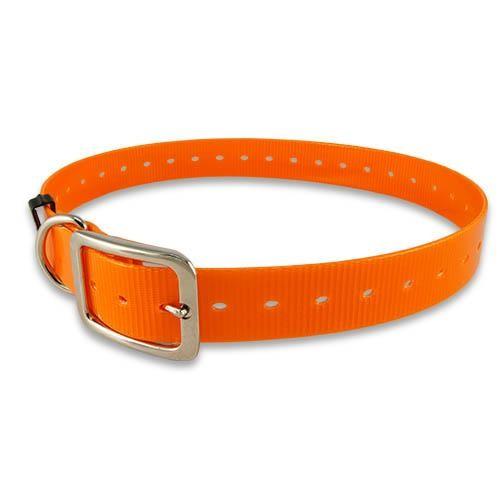
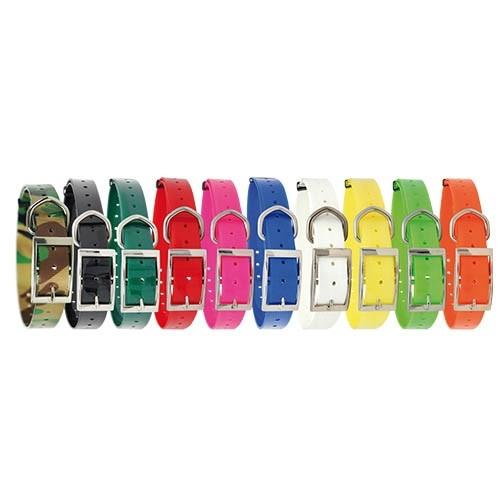
Polyurethane Dog Collar 2,5x70 Cm Camouflage
Ibáñez polyurethane collars. 25 mm. Very strong and durable Ibáñez polyurethane collars. Virtually unbreakable. Easy-to-clean collars,…
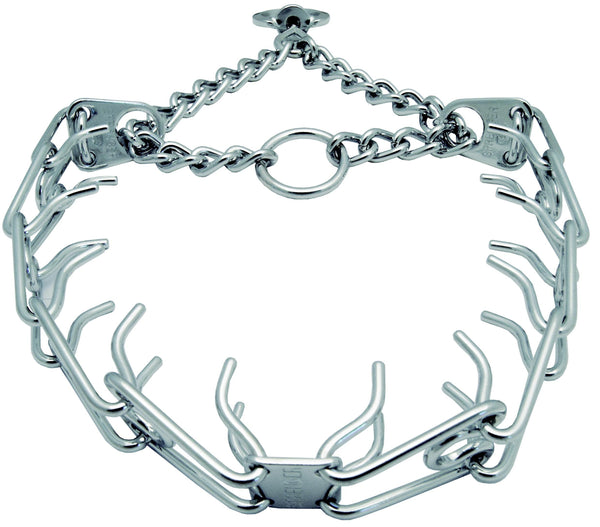
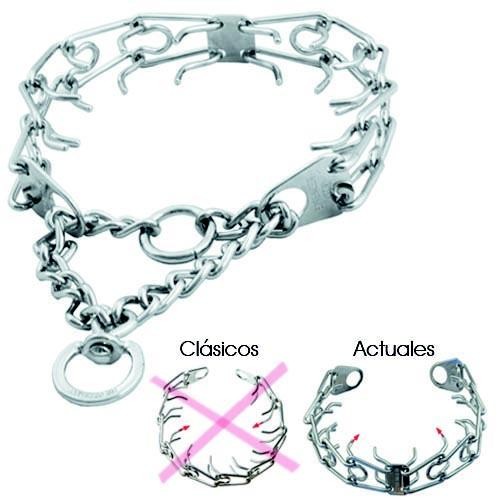
"SPRENGER Ultra Plus" Training Collars
This is the ultimate evolution of the classic training collar. High-quality, highly durable "SPRENGER" chrome-plated steel…
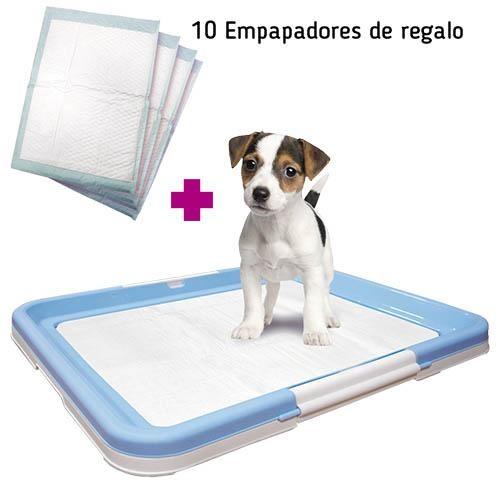
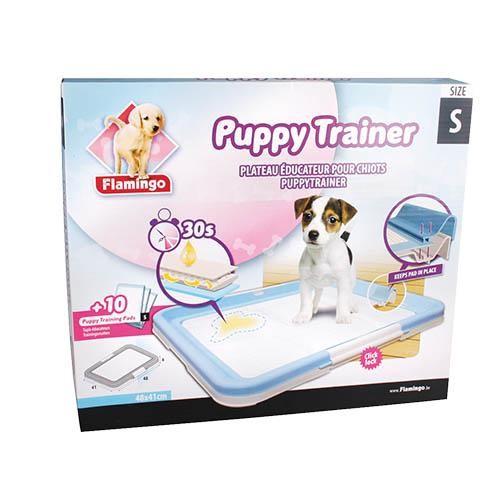
PADS House-Training Mat
House-training with these PADS This trainer is the ideal solution for puppies learning to urinate in…
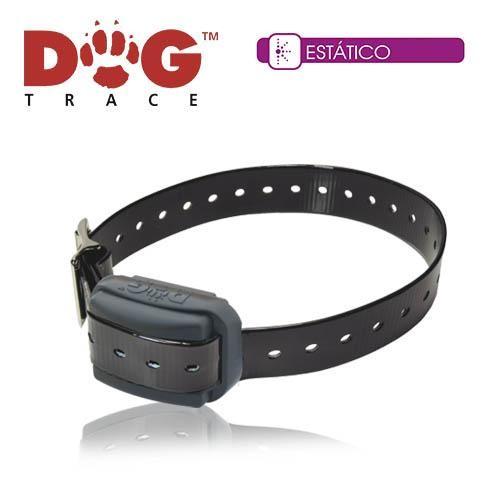
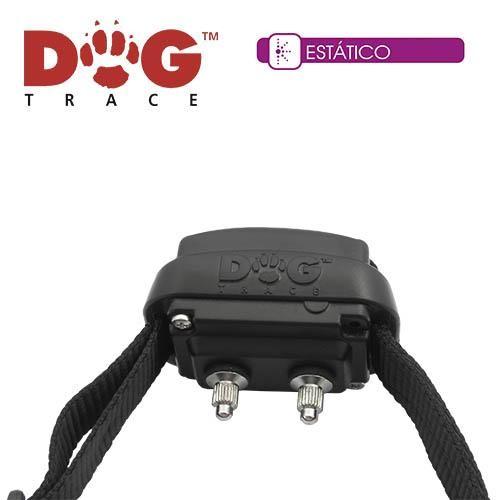
DogTrace D-Mute PLUS Anti-Bark Collar
Your dog barks excessively, whether when you are away or in the presence of other dogs…
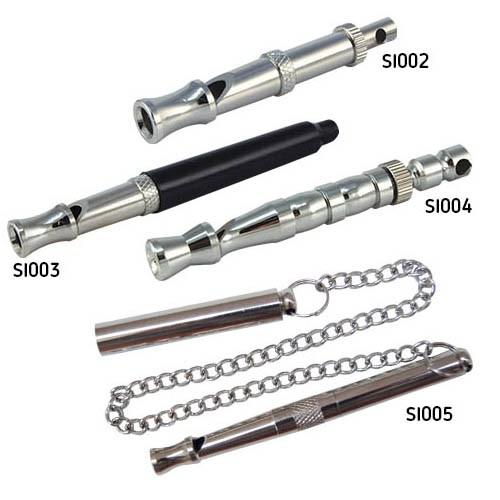
Ultrasonic Whistles
Ultrasonic whistles Whistles with frequency control. They emit very sharp sounds that dogs can hear from…

Polyurethane Dog Tracking Lead Without Handle 1.6cm X 10m Fluorescent Yellow
Ibanez Flat Polyurethane Tracking Lead This flat Ibanez polyurethane leash allows the dog to undergo long…
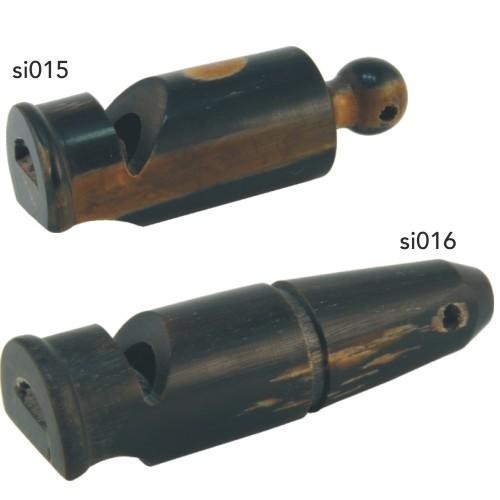
Buffalo Horn Whistle 1 Tone. 5,3cm
Monotone Bone Whistle Single-tone buffalo horn whistles. High quality.
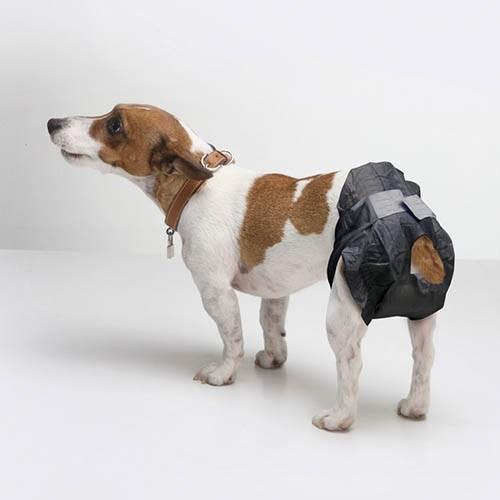
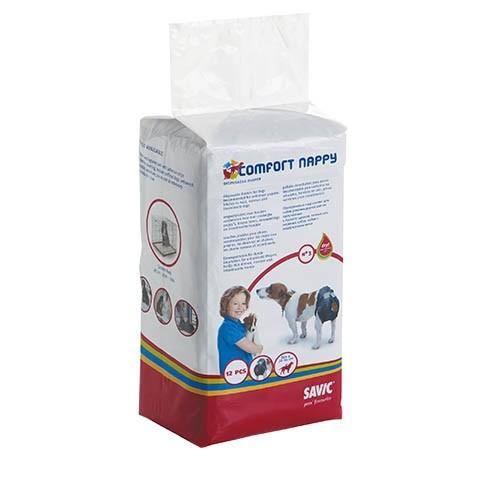
Dog Diapers. Size 1 - 32-42cm - Black (12 Pcs.)
Disposable black dog diapers Practical, ultra-absorbent disposable diaper for dogs. USES: · Prevents mating during heat.…
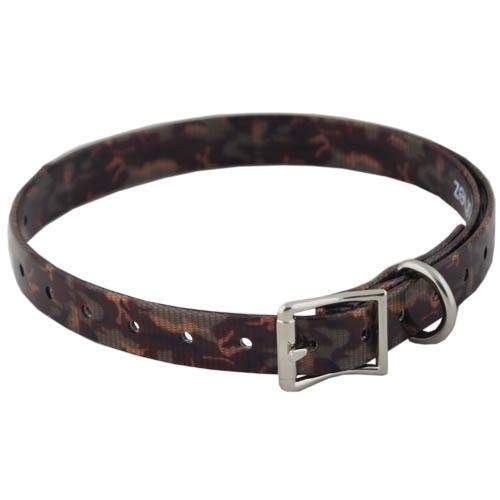
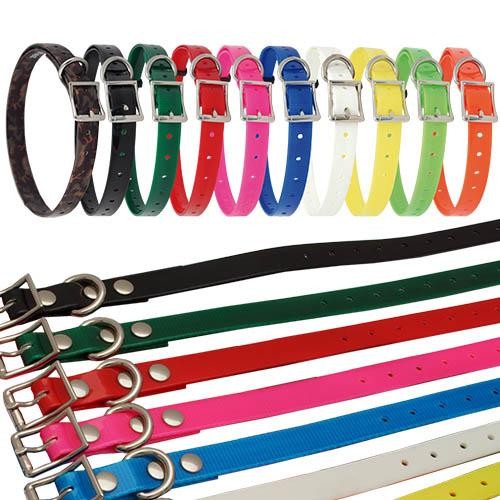
Polyurethane Dog Collar 1,6x70 Cm Camouflage
Ibáñez polyurethane collars. 16 mm. Very strong and durable Ibáñez polyurethane collars. Virtually unbreakable. Easy-to-clean collars,…
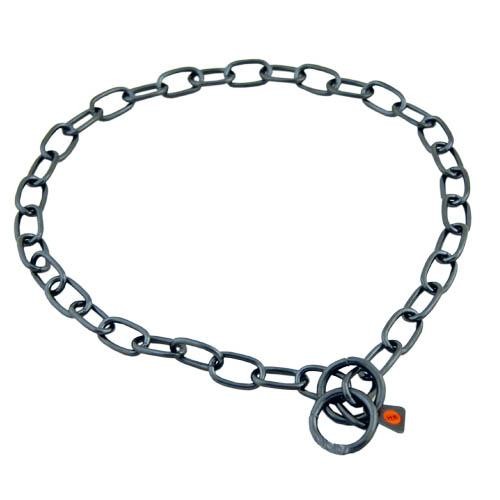
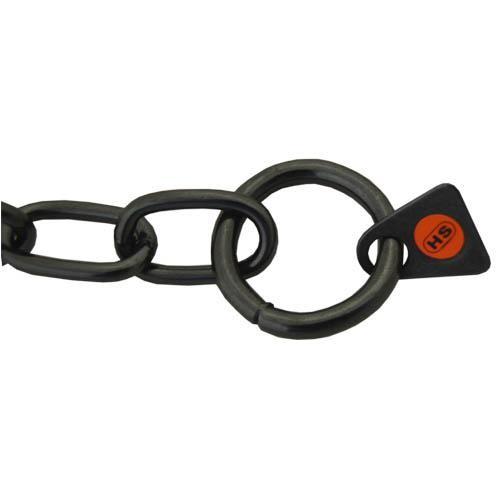
Black Stainless Steel Chain Collar
Glossy black stainless-steel chain collar that gives the dog wearing it a very distinctive look of…
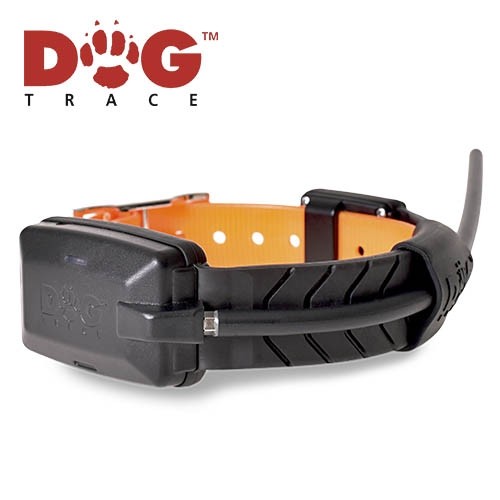
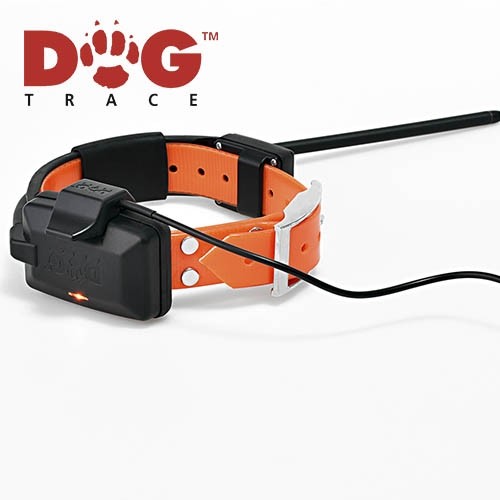
Additional X20 Collar (COLLAR Charger)
Additional Dogtrace GPS Tracker Collar Additional collar for the Dogtrace X20 + GPS dog locator (references…
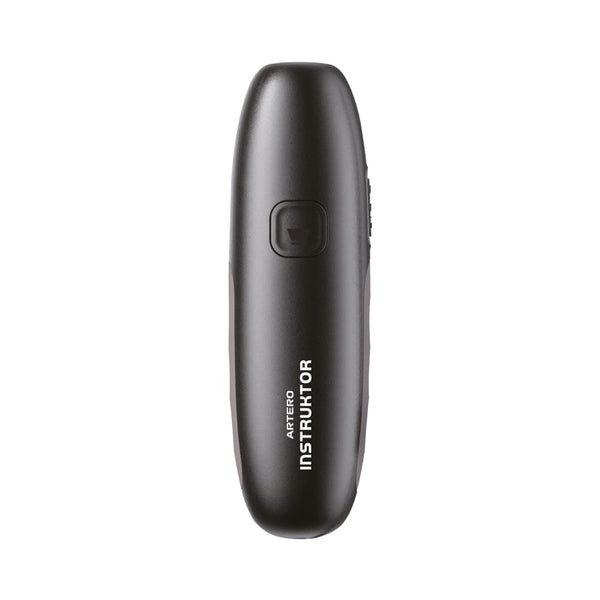
Éducateur à ultrasons Artero Instruktor
Fonctionne avec 4 piles AAA Coque plastique et caoutchouc

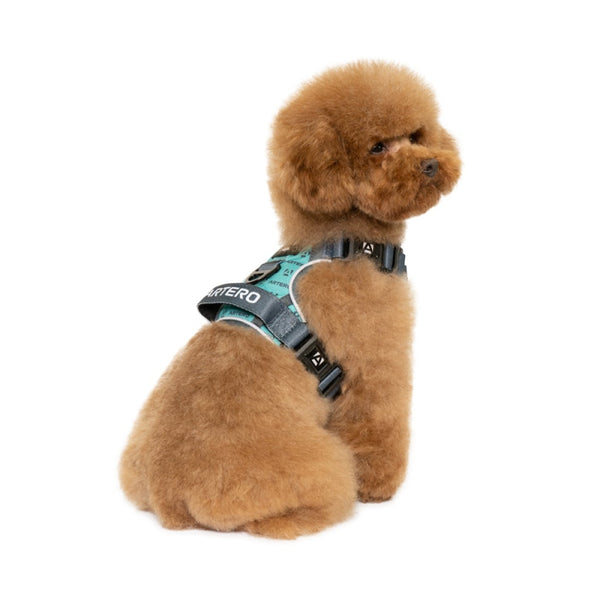
Harnais Artero turquoise à motif logo
Harnais confortable et fonctionnel, turquoise vif à motif logo Artero. Caractéristiques du harnais Artero

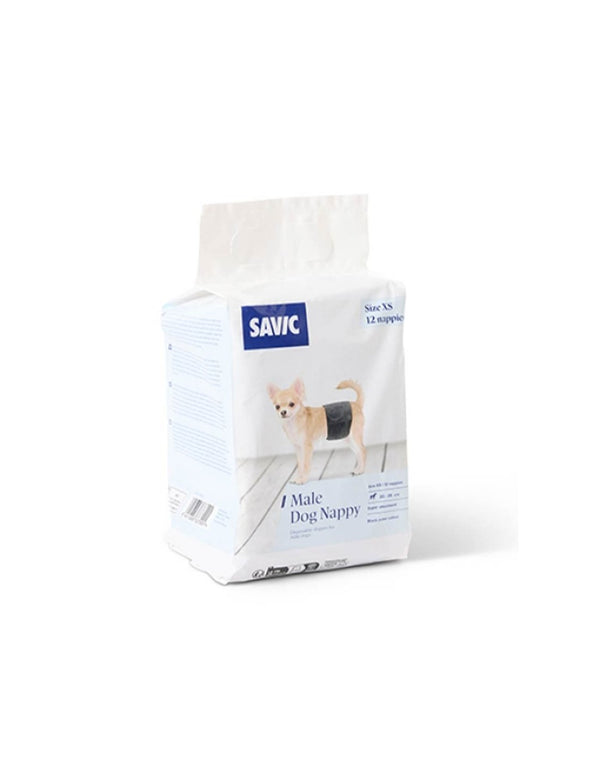
Ceintures de propreté jetables chien mâle (x12)
Ceintures abdominales jetables pour mâle : marquage urinaire, incontinence, chien âgé ou convalescent. Double couche et…
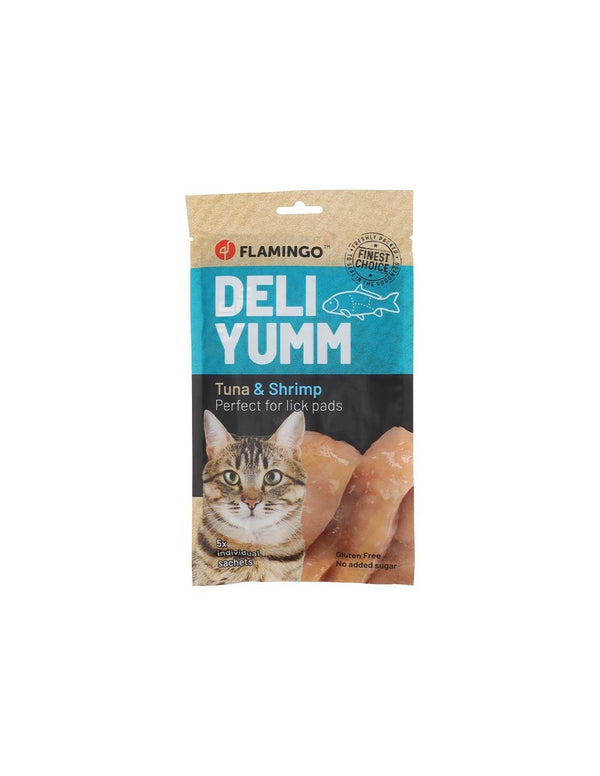
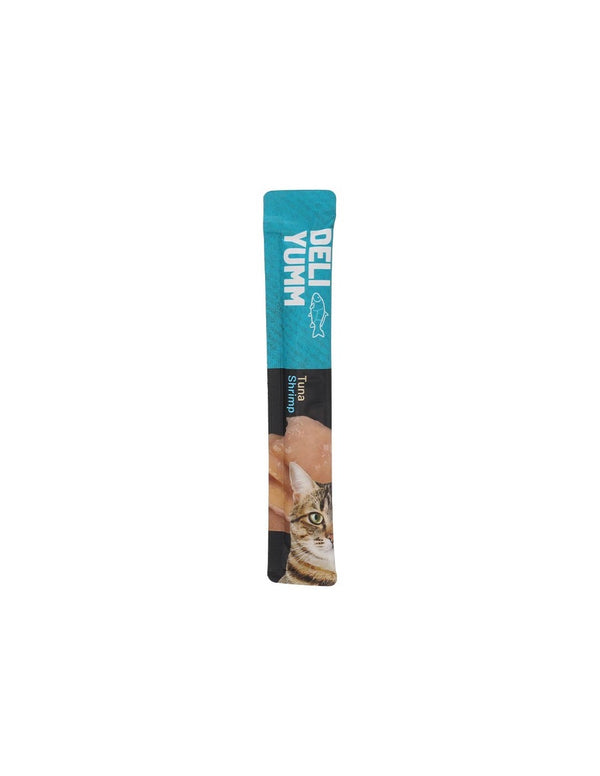
Friandise pâte à lécher Deli Yumm – thon et crevettes 70 g
Pâte onctueuse au thon et aux crevettes, très appétente : récompense idéale en séance d'éducation et…

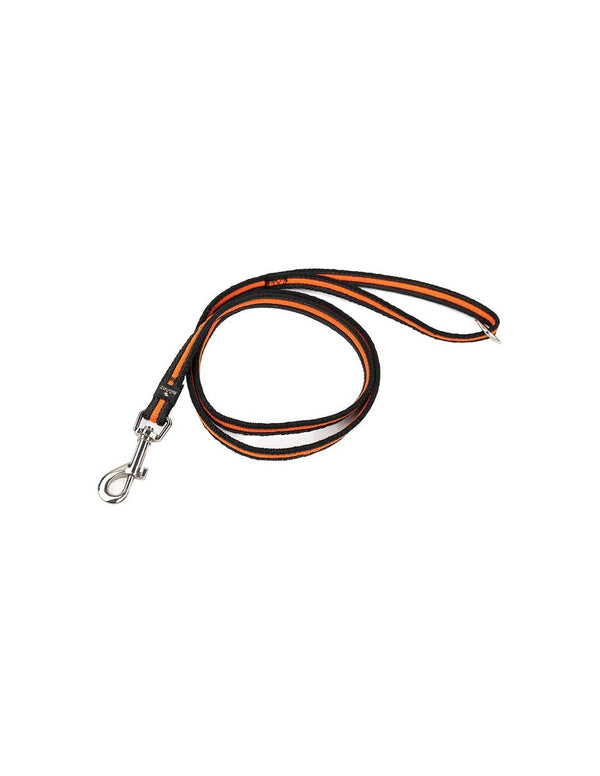
Laisse antidérapante Ibáñez 1,9 cm x 2 m – orange fluo
Laisse de travail en nylon tissé de rangées de caoutchouc : elle ne glisse pas dans…
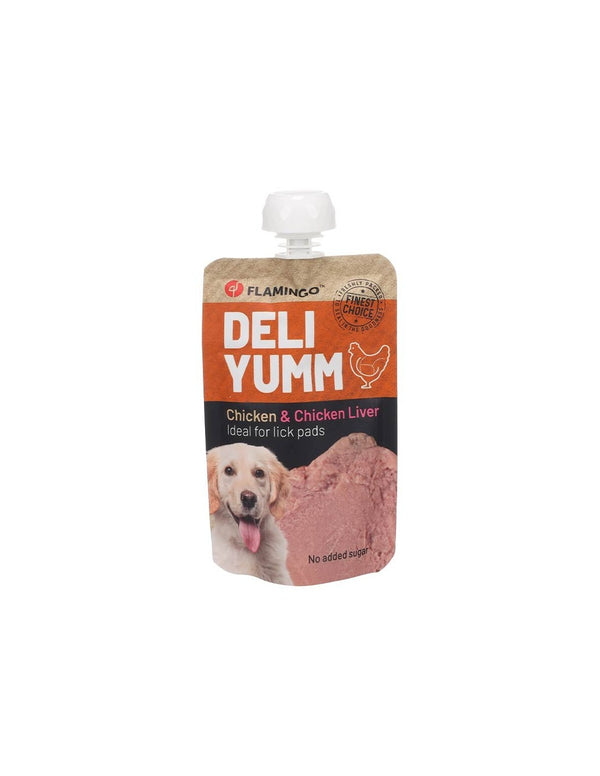
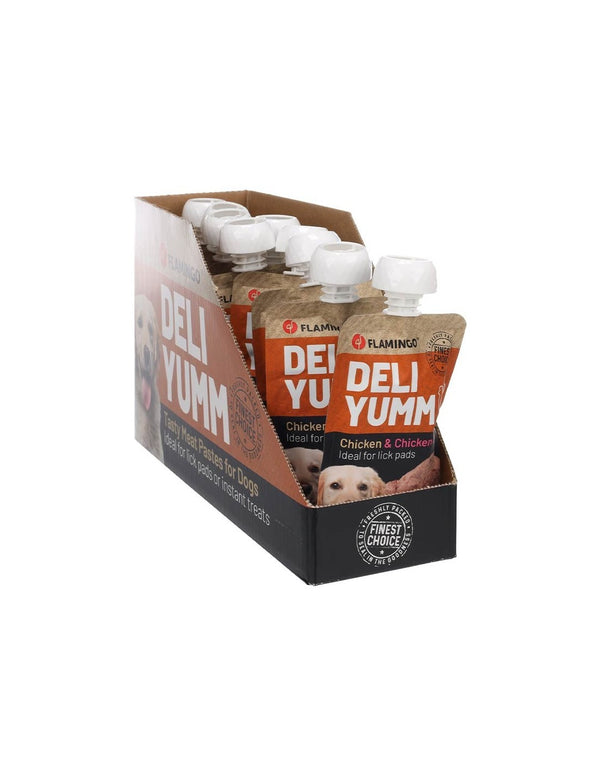
Friandise pâte à lécher Deli Yumm – poulet et foie 90 g
Pâte de viande onctueuse au poulet et foie de poulet, en tube : récompense à lécher…
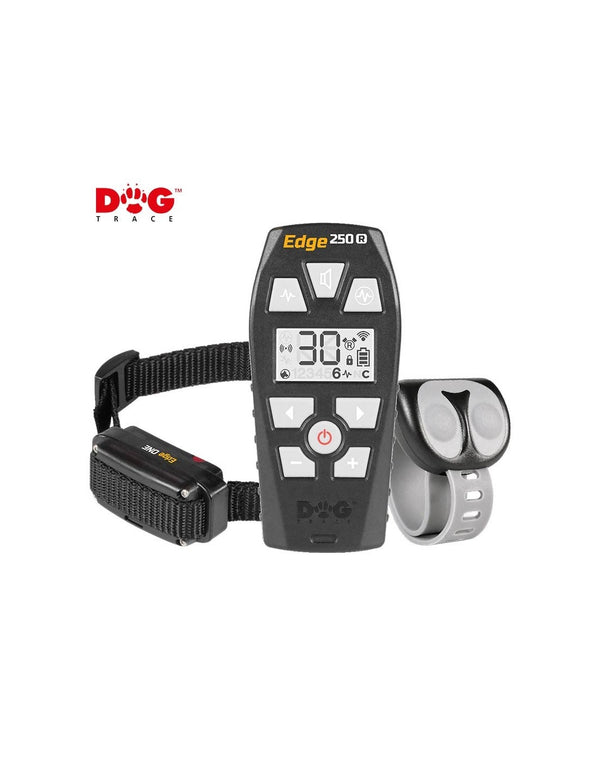

Collier de dressage DogTrace d-control EDGE RING ONE
Jusqu'à 6 chiens par émetteur 30 niveaux ; stimulation continue et impulsionnelle, son, vibration, Booster Portée…
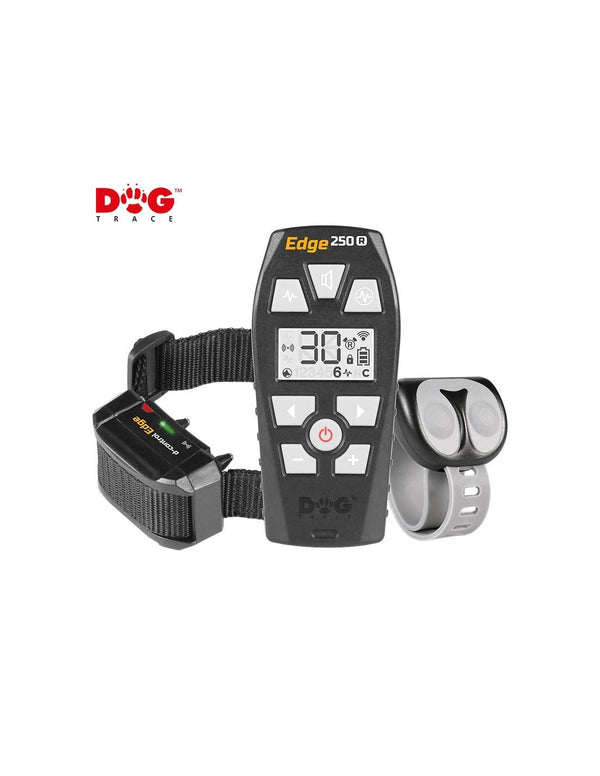
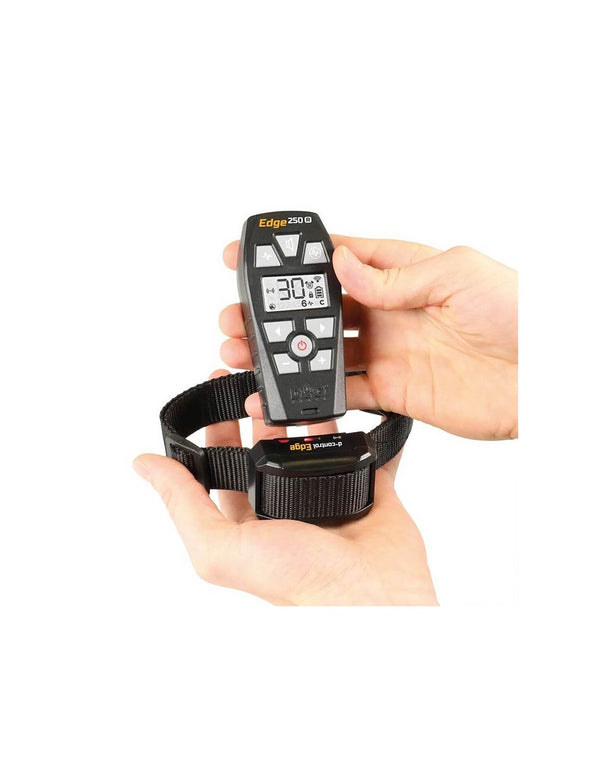
Collier de dressage DogTrace d-control EDGE RING
Collier de dressage de la gamme EDGE livré avec une bague de commande : la télécommande…

Collier de dressage DogTrace d-control 400 mini+
Portée 250 m, 1 ou 2 chiens 20 niveaux de stimulation, signal sonore et touche Booster…
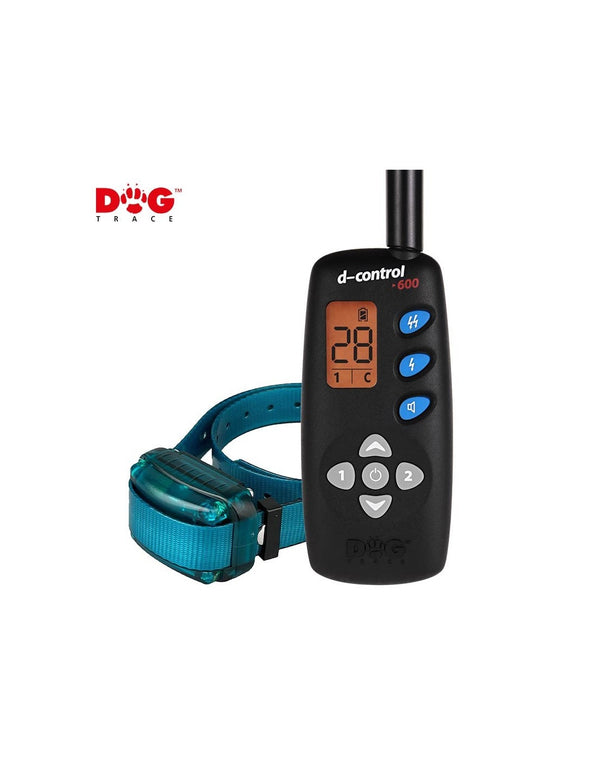
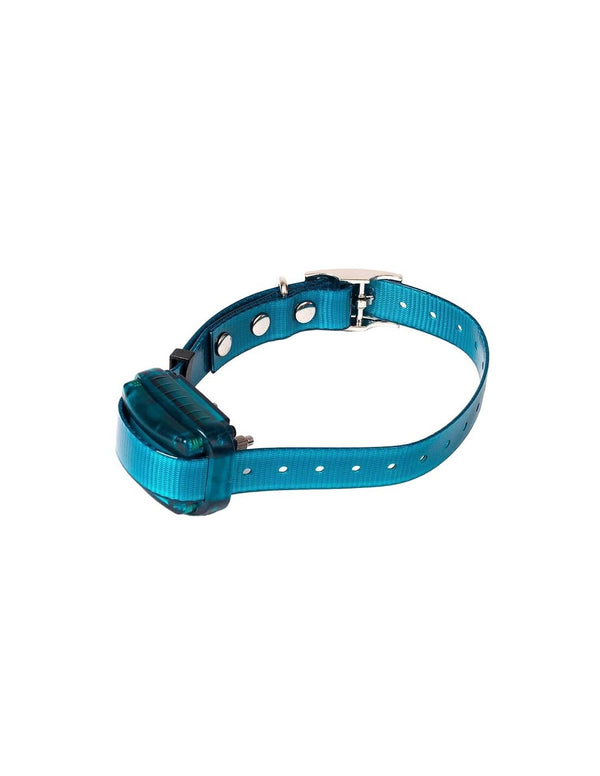
Collier de dressage DogTrace d-control 600 / 1000 / 1600 mini+
Collier de dressage à distance professionnel au format le plus compact, pour les petites et moyennes…

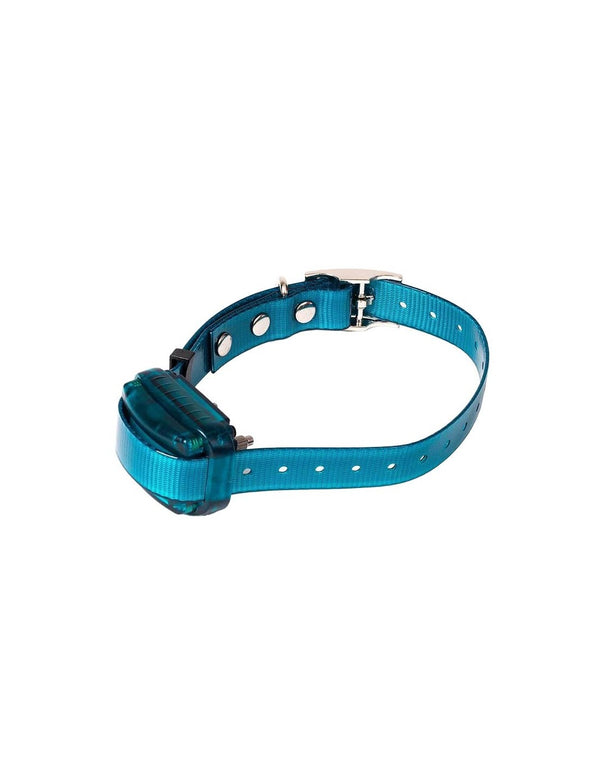
Collier de dressage DogTrace d-control EASY mini+
Portée 200 m, 1 chien 6 niveaux de stimulation continue + signal sonore Récepteur étanche, pile…
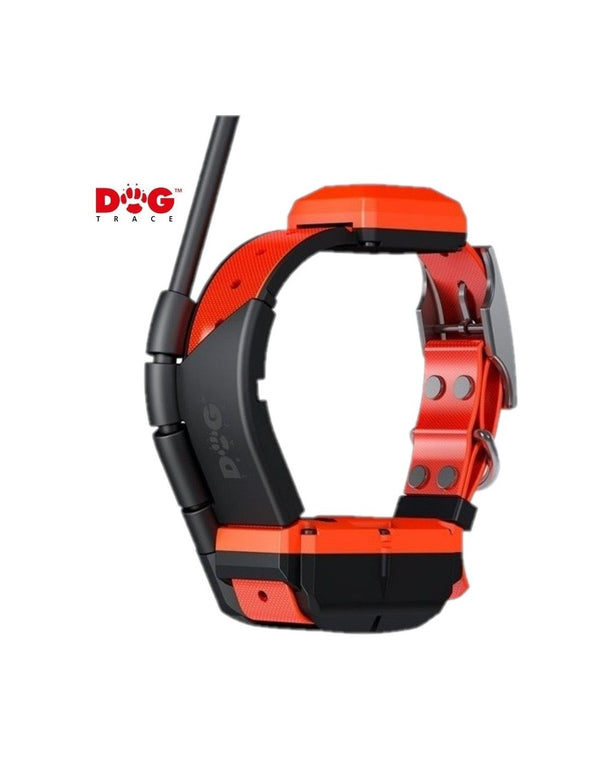
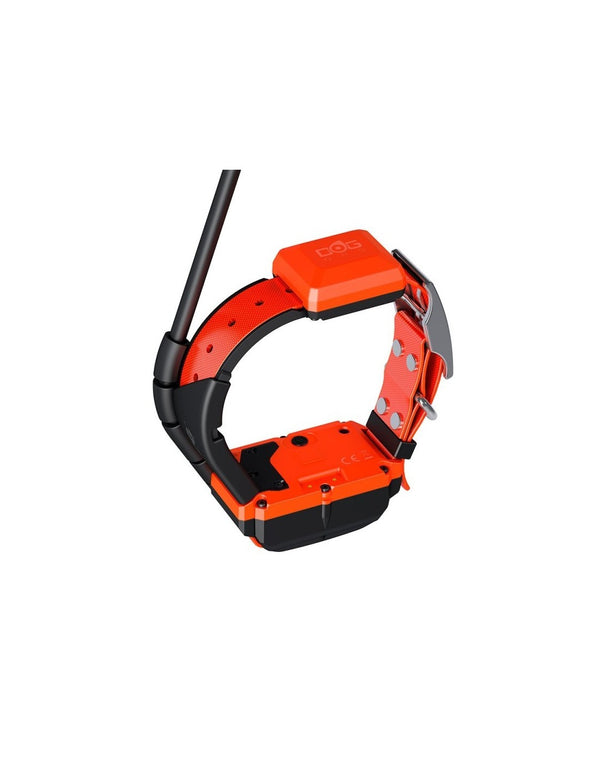
Collier supplémentaire DogTrace GPS X40
Collier additionnel pour le système de repérage DogTrace X40. Boîtier renforcé et étanchéité améliorée pour les…
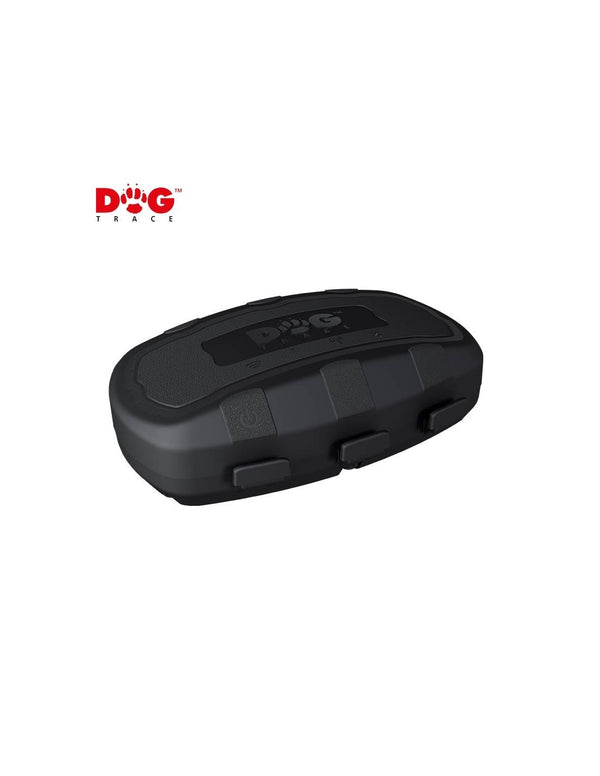
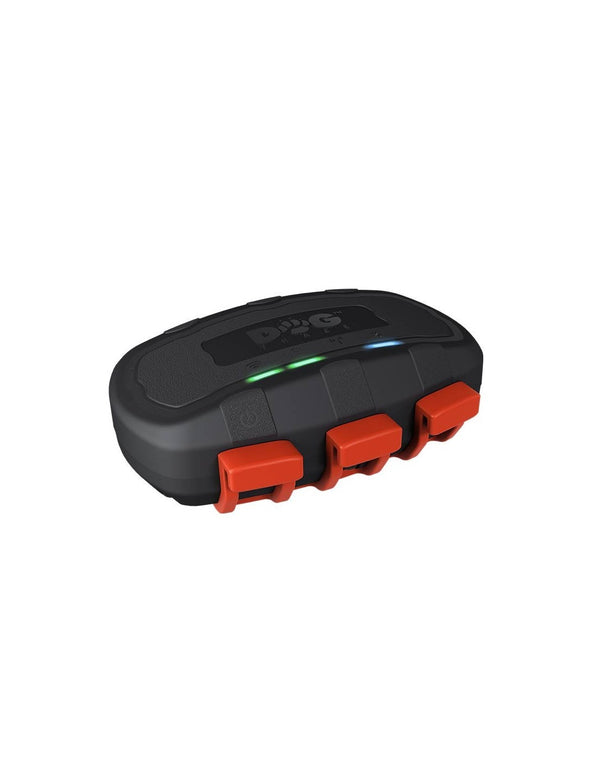
Traceur GPS DogTrace GPS ultra – portée illimitée
Suivi LIVE et suivi d'activité Clôture virtuelle + clôtures WiFi (économie de batterie à la maison)…
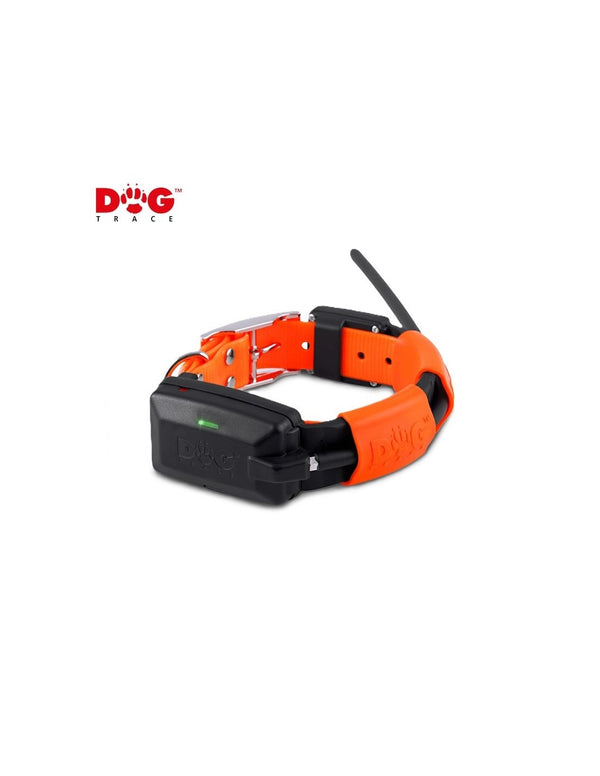
Collier supplémentaire DogTrace GPS X25 SHORT
Collier additionnel pour le système de repérage DogTrace X25, pour équiper un chien de plus dans…
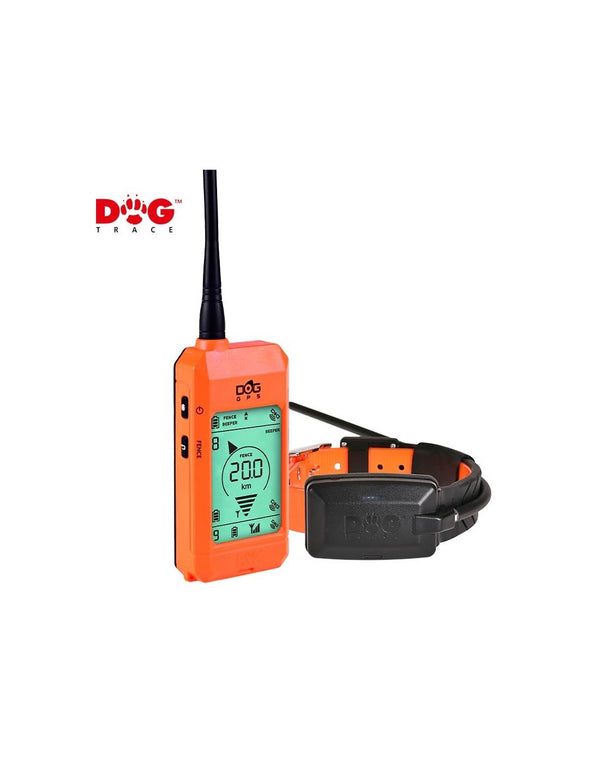
Repérage GPS chiens de chasse DogTrace X20+ SHORT
Boussole : l'écran indique toujours le nord Waypoints : poste, véhicule, zones de traque Alerte d'arrêt…