


Dental elastics for dogs
Benefits
Dog dental elastics Petdesign.fr These elastics offer a practical and effective solution for temporarily correcting your pet's teeth. Designed specifically to meet the orthodontic needs of dogs, these elastics can correct malocclusions, misaligned teeth, and mild prognathism. By using our dental elastics, you provide your pet with better oral health while avoiding penalties in dog shows and competitions.
Use
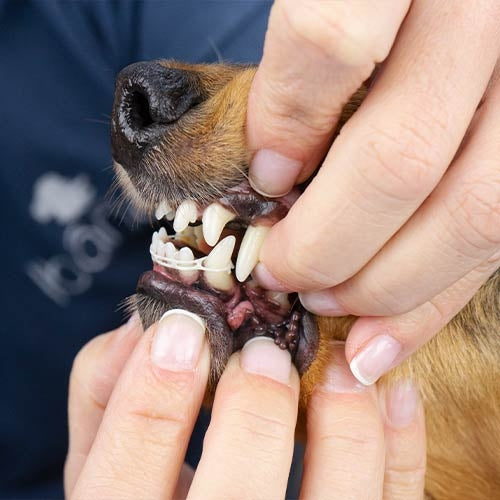
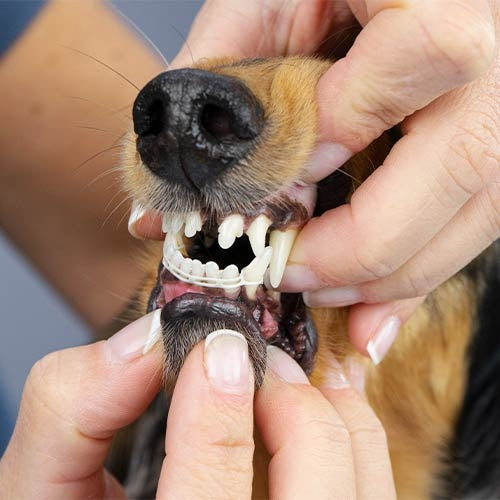
Easy to use, these dental elastics are quickly placed from canine to canine, at the base of the teeth, without causing your pet any discomfort. Simply cut the elastic band to the size of your dog's mouth for a perfect fit. Once in place, the elastics help gradually move protruding teeth into their correct position. When the teeth have reached the desired alignment, keep the elastics in place for a few weeks to allow the teeth to settle into their new, corrected position.
Technical Information
- Composition: Made from high-quality rubber, the dental elastics are strong and durable.
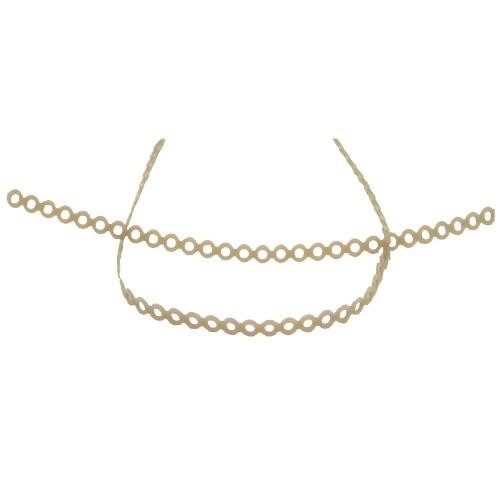
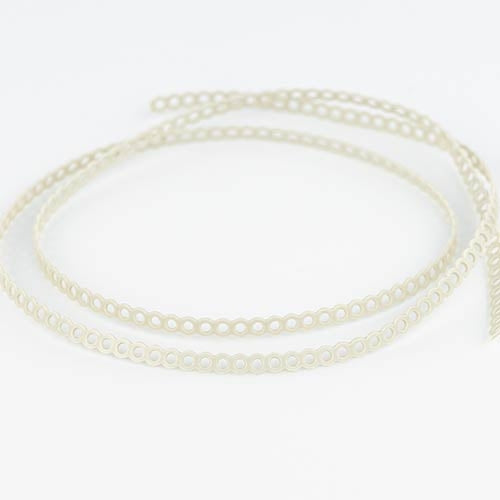
- Size: Each elastic band measures 50 centimeters in length, to be cut according to the size of the dog's mouth for a custom fit.
- Use: Dental elastics are intended to temporarily correct the position of teeth in dogs requiring orthodontic treatment.
- Application: Place the elastics at the base of the teeth, without touching the gums, for optimal comfort for your pet.
- Maintenance: Regularly monitor the fit of the elastics and replace them if necessary to maintain effective dental correction.
Additional Questions and Answers
Are these elastic bands suitable for correcting an underbite in my dog? No, dental elastics do not correct an underbite. They are specifically designed to move protruding teeth into their correct position.
How long do you need to leave the elastic bands in place to get results? It is recommended to keep the elastics in place for a few weeks once the teeth have reached the desired position, to allow the teeth to settle into their new corrected position.
How do I adjust the size of the elastic bands for my dog? Each elastic band measures 50 centimeters and can be cut to fit the size of your dog's mouth, ensuring a perfect fit for comfortable use.
5 signs that may encourage you to use Dental Elastics for Dogs:
- Your dog has dental malocclusions or poorly implanted teeth.
- You participate in dog shows or competitions and wish to avoid show penalties.
- Your dog has a slight prognathism or a level bite.
- Are you looking for a practical and non-invasive solution to correct the position of your pet's teeth?
- You want to give your dog better oral health and a bright smile.
The use of orthodontic elastics to correct prognathism in dogs is based on the principles of dental mechanics, similar to their use in human orthodontics.These elastics apply a constant force to the teeth and jaws, promoting their movement into more desirable and functional positions.
Mechanical Phenomenon
-
Application of Force: Orthodontic elastics exert a pulling force between selected teeth in the upper and lower jaws. This force is carefully calculated to be sufficient to stimulate tooth movement without causing damage.
-
Biological Reaction: The movement of the teeth caused by the elastics is supported by a biological reaction in the surrounding tissues, facilitating the movement of the teeth and the realignment of the jaws.
Benefits
-
Non-Invasive: Compared to surgical interventions, the use of elastics is less invasive and may be preferred for moderate jaw adjustments.
-
Adaptability: The elastic bands can be adjusted in strength and position to meet the specific needs of each dog, allowing for personalized treatment.
-
Comfort: Although this can vary, elastics generally offer a higher level of comfort than more rigid orthodontic appliances or surgical interventions.
-
Efficiency: For some cases of mild to moderate prognathism, elastics can be very effective in realigning teeth and improving jaw function.
Important Details
-
Treatment Duration: The duration of treatment can vary depending on the severity of the prognathism and the individual response to treatment. The elastics must be worn almost constantly, with frequent replacements to maintain their effectiveness.
-
Dog Cooperation: The success of the treatment also depends on the dog's cooperation and the owners' ability to follow instructions.
Analogy
Imagine using rubber bands to slowly close an open book. The rubber bands apply a continuous force that, over time, brings the two book covers (the dog's jaws) together. The constant, controlled pressure changes the position of the pages (the teeth) until the book is closed as desired. This process requires time and consistent pressure to be accomplished effectively, much like orthodontic treatment with rubber bands in dogs.
In summary, orthodontic elastics can offer an effective and less invasive method for correcting prognathism in dogs.
Choose options


