
The different types of hair

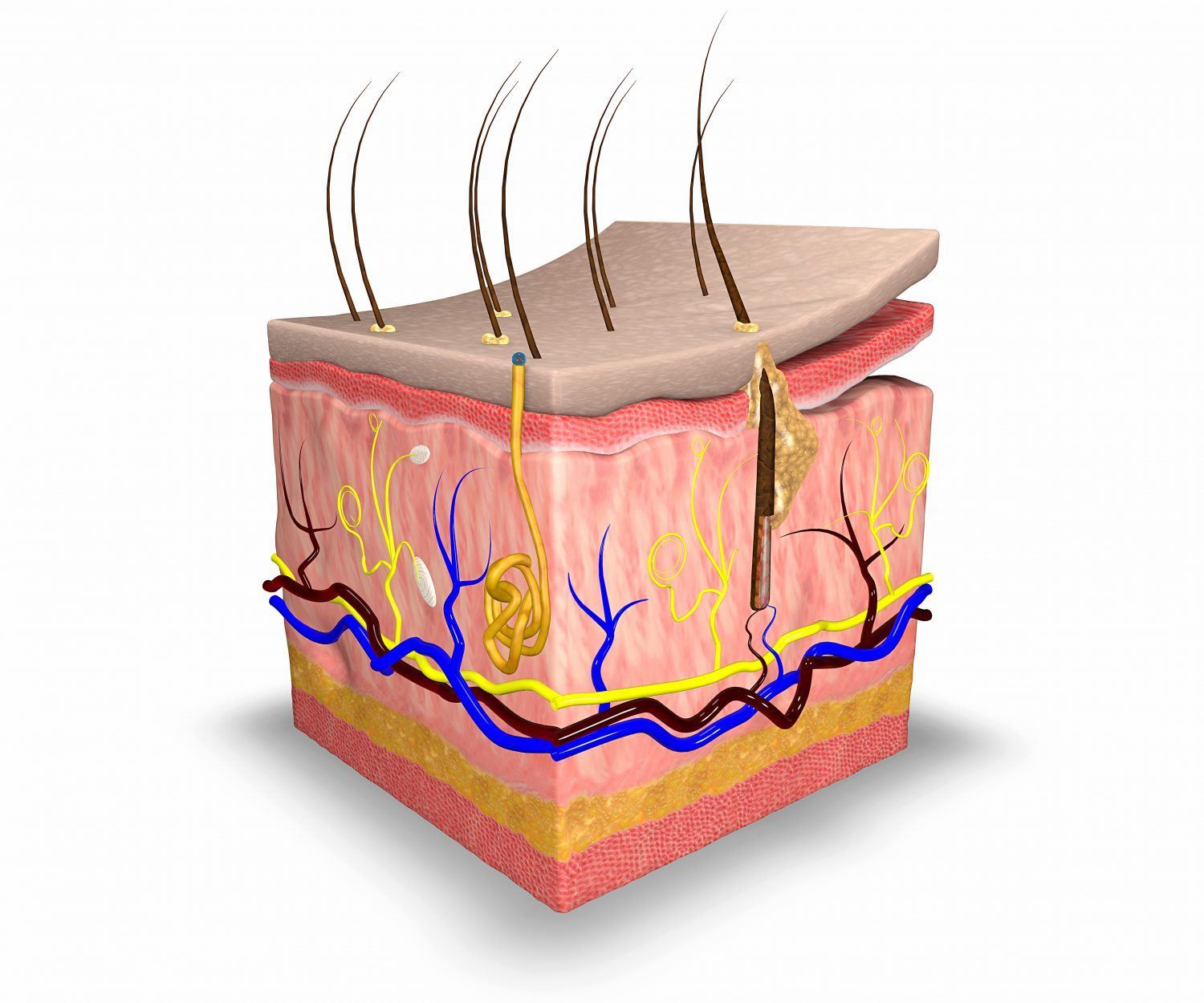
The different types of hair
Comprehensive scientific background to better understand dog skin and fur
Exploring the differences at the molecular level
Molecular Structure of Hair
Keratin: Keratin is the main protein that makes up hair, providing strength and protection. The composition and configuration of keratin can vary, affecting the texture of the hair (smooth, wavy, coarse).
Melanin: Melanin determines hair color. Variations in melanin production between breeds can affect skin sensitivity to UV radiation and other environmental factors.
Impact on Skin Health
Skin Barrier: Skin health is directly linked to coat quality. A dense, healthy coat can help maintain a robust skin barrier against pathogens and environmental irritants.
Sebum: The production of sebum, a natural skin oil, varies depending on hair type. This sebum plays a crucial role in skin hydration and protection against bacteria and fungi.
Unique Molecular Adaptations
Dogs with an undercoat: Possess a dense layer of short hair that promotes thermal insulation and protection against the elements, requiring a well-balanced sebum production to keep the skin hydrated without causing excess.
Long-haired and short-haired dogs: The structure and density of the hair influence the amount of UV light reaching the skin and the amount of sebum needed to maintain healthy hair.
Hairless Dogs: The near absence of hair leads to an adaptation of the skin, requiring special attention to protect against UV damage and maintain skin hydration without the support of hair.
Water Dogs: Their fur has special adaptations, such as oily textures or tight curls, which repel water, thus protecting the skin during aquatic activities.
Keratin, melanin, sebum, etc. vary between different types of dogs.
The difference in the composition and production of keratin, melanin, and sebum between different types of dogs is a crucial aspect that influences their coat and skin. Here is a detailed overview of these differences:
Keratin
Keratin is the main fibrous protein that makes up the hair and skin of dogs. It gives strength and elasticity to the hair.
Dogs with an undercoat: The keratin in the undercoat is often denser and can be softer to provide better insulation. This helps protect against temperature variations.
Long-haired dogs: These dogs tend to have keratin which allows for greater flexibility and hair length, which can contribute to their silky or wavy appearance.
Short-Haired Dogs: The keratin in short hair is designed for easy maintenance, providing protection without requiring intensive grooming.
Hairless Dogs: Although keratin is present in the skin, the absence of hair means that its production is reduced in the hair follicle, which affects the skin barrier and protection against external elements.
Water Dogs: The structure of keratin in these dogs may be adapted to repel water, contributing to their ability to stay dry and maintain body temperature while swimming.
Melanin
Melanin is the pigment that gives color to hair and skin, also playing a role in protection against UV damage.
Dogs with Undercoat and Long/Short Hair: The amount and type of melanin vary significantly between breeds, influencing not only the color of the hair but also its ability to resist sun damage.Darker hair generally offers better UV protection.
Hairless Dogs: With little or no fur to provide protection, the skin can be more vulnerable to UV rays, although some hairless dogs develop darker pigmentation to compensate.
Water Dogs: The color of the coat can help these dogs camouflage themselves in their aquatic environment, although this depends more on the specific breed than on a universal adaptation to all water dogs.
Sebum
Sebum is an oily substance produced by the sebaceous glands of the skin to moisturize and protect both the skin and the hair.
Dogs with Undercoat: A balanced production of sebum is essential to maintain a healthy undercoat, avoiding both dryness and excess oil which can lead to dermatological problems.
Long-haired/Short-haired Dogs: These dogs may require different levels of sebum to maintain the health of their specific coat type. Long hair may require more sebum to remain supple, while short hair may need less to avoid appearing greasy.
Hairless Dogs: Sebum production must be carefully regulated, as an excess can lead to acne or other skin problems, given the lack of hair to absorb sebum.
Water Dogs: Sebum production in these dogs may be adapted to provide an extra protective layer against water, helping to keep the skin dry under the fur.
These biochemical differences between dog breeds highlight the importance of a personalized approach in veterinary care, particularly in dermatology, to address the specific needs associated with each breed type.
Our Shopping List
Here is our selection!
Retrouvez tous les produits Special One selectionnes par nos toiletteurs partenaires.
Voir la gammeContinuez la lecture
Training in Belgium by Massimiliano Carluccio & Special One France on Petdesign.fr
✨ Perfect your grooming with Massimiliano Carluccio! ✨ Do you dream of excelling in the art of dog groomin...
Aurore Guérin's training in Belgium & Special One France on Petdesign.fr
Perfect your technique with Aurore Guerin, a grooming champion! Dog grooming enthusiasts, this training da...
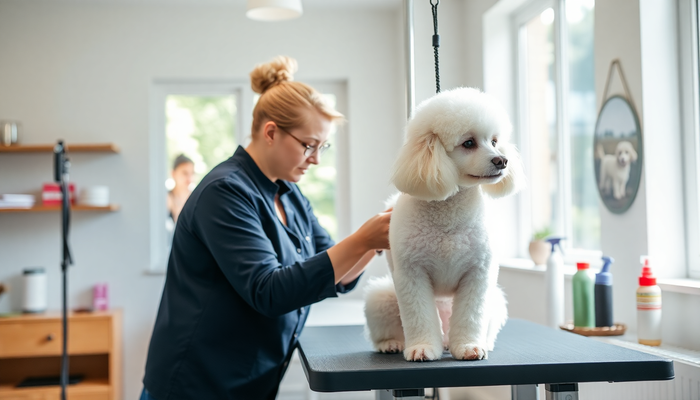
Perfect Poodle Grooming: Expert Advice for an Impeccable Coat
Do you own a poodle and are looking for the best grooming tips? You've come to the right place! In this art...
Réagir à cet article