


Cosmetics: what are the benefits of bathing?
Do you have questions about the benefits of bathing? This is the place!
This odor may result from excessive production by the sebaceous glands or may be entirely physiological. Note that some dogs and breeds have a stronger odor than others. In addition, our four-legged friends, especially those living in cities, pick up quite a lot of dirt on their coats. To live comfortably with your dog, wash them as often as necessary, if possible no more than twice a month, using a suitable product. Because of differences in skin acidity, shampoos for humans, even babies, are not suitable for dogs.
My dog competes in dog shows
Cosmetic reasons are another reason to wash your dog. If you are a show enthusiast, especially if your dog has a long, thick coat, you take care before every presentation, or even more often, to wash them with a product designed to give them the most beautiful coat possible. Special One premium products help you achieve and maintain an exceptional level of coat quality for your pet.
My dog has a dermatological condition. Are there any recommendations?
How do I train my dog to be groomed?
Shampoos from the Special One range
Here is a selection of the products we offer.
Retrouvez tous les produits Special One selectionnes par nos toiletteurs partenaires.
Voir la gammeContinuez la lecture
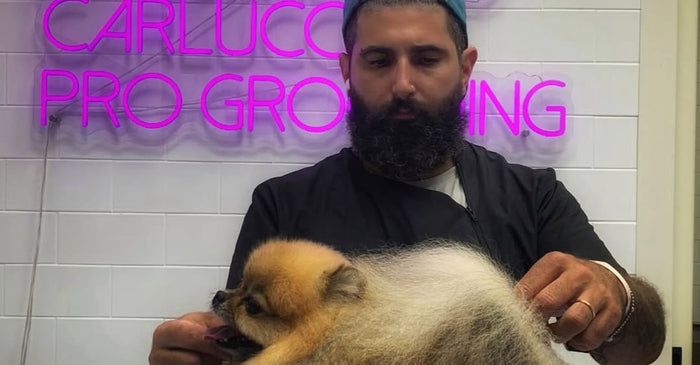
Training in Belgium by Massimiliano Carluccio & Special One France on Petdesign.fr
✨ Perfect your grooming with Massimiliano Carluccio! ✨ Do you dream of excelling in the art of dog groomin...
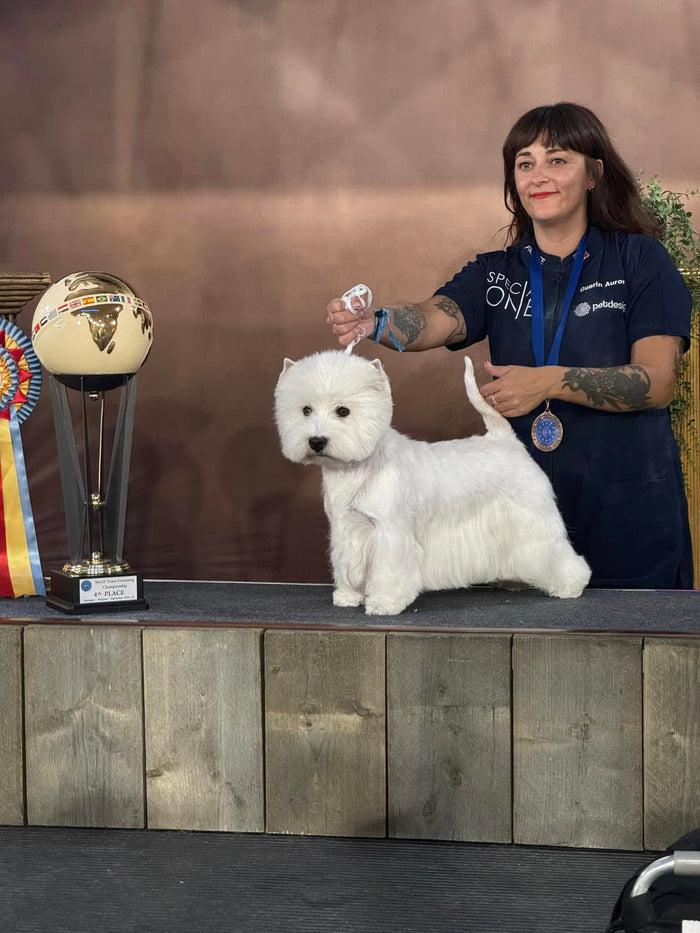
Aurore Guérin's training in Belgium & Special One France on Petdesign.fr
Perfect your technique with Aurore Guerin, a grooming champion! Dog grooming enthusiasts, this training da...
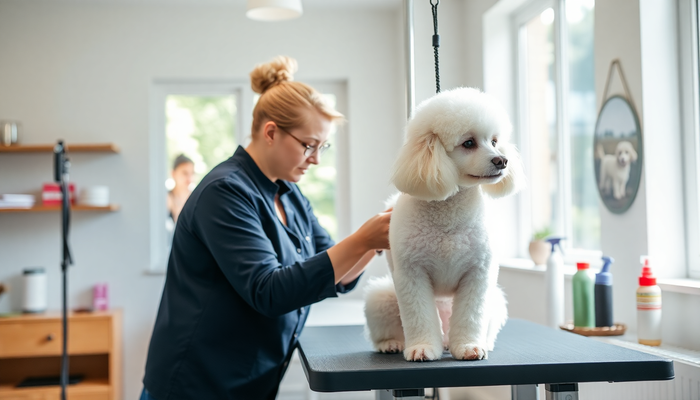
Perfect Poodle Grooming: Expert Advice for an Impeccable Coat
Do you own a poodle and are looking for the best grooming tips? You've come to the right place! In this art...
Réagir à cet article