

Diet: eating disorder
Questions about your dog’s diet? You’re in the right place!
There are many causes of anorexia in dogs. The most common are fever, sexual excitement in a male in the presence of a female in heat, or food competition when a dominant dog prevents another dog from accessing the bowl. Any deterioration of food resulting from improper storage is also a common cause of loss of appetite. Nevertheless, apart from these situations, a dog that is not eating should be taken to a veterinarian.
My dog eats too much
In this case, the dog is said to be suffering from bulimia. This may be related to fear of not having enough food (food competition between dogs), a neurohormonal imbalance, boredom, a diet insufficiently concentrated in energy, or a digestive absorption disorder. Measuring food intake, output (the dog’s feces), and weight changes, along with carefully observing the animal’s behavior, will initially help the owner provide the veterinarian with information to guide the diagnosis toward one of these possibilities.
I don’t know what else to do—my dog eats absolutely everything
My dog eats its feces. What can I do to make it stop?
You can find some of our kibble right here
Retrouvez tous les produits Special One selectionnes par nos toiletteurs partenaires.
Voir la gammeContinuez la lecture
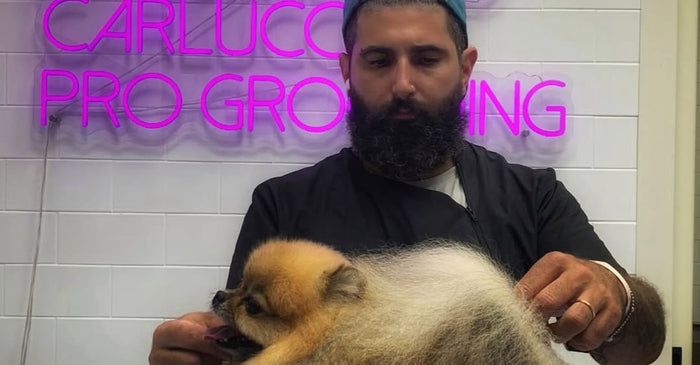
Training in Belgium by Massimiliano Carluccio & Special One France on Petdesign.fr
✨ Perfect your grooming with Massimiliano Carluccio! ✨ Do you dream of excelling in the art of dog groomin...
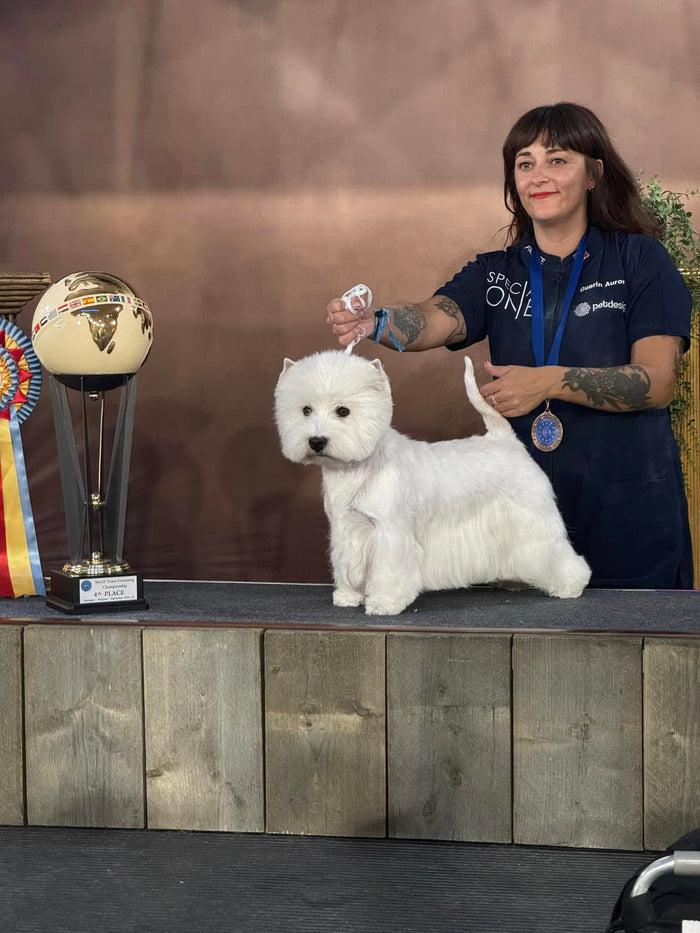
Aurore Guérin's training in Belgium & Special One France on Petdesign.fr
Perfect your technique with Aurore Guerin, a grooming champion! Dog grooming enthusiasts, this training da...
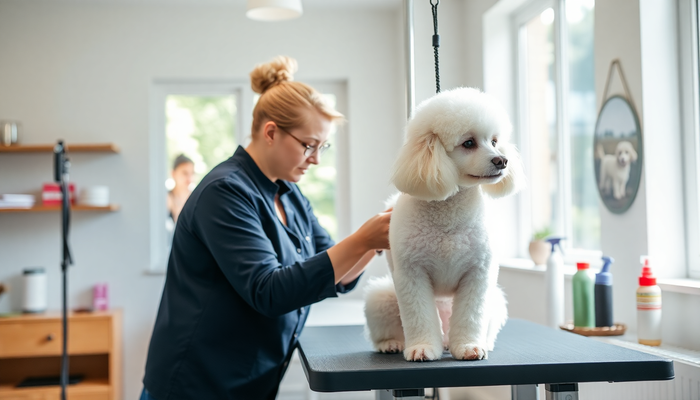
Perfect Poodle Grooming: Expert Advice for an Impeccable Coat
Do you own a poodle and are looking for the best grooming tips? You've come to the right place! In this art...
Réagir à cet article