
Spitz Alopecia

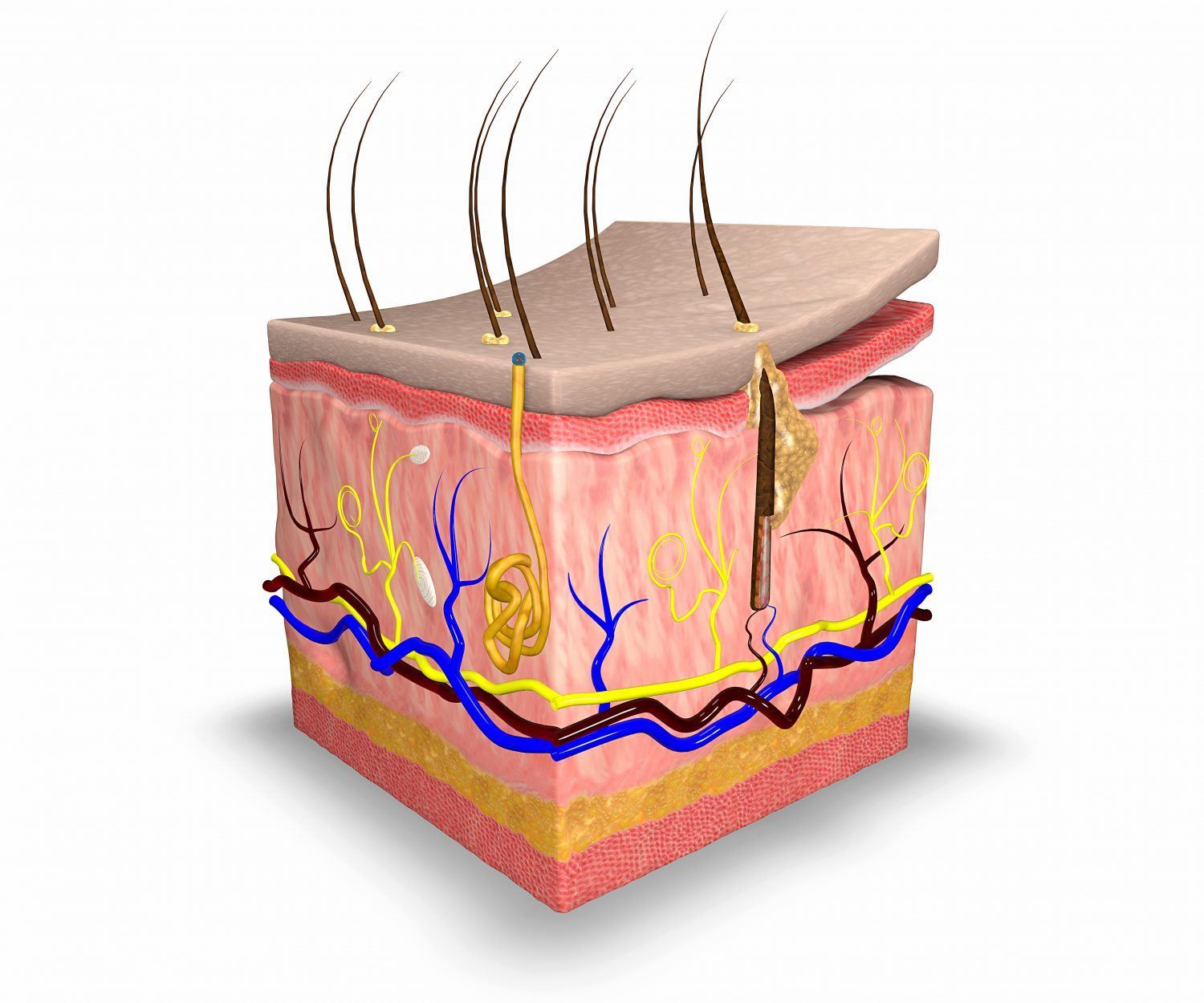
Spitz Alopecia X
Alopecia X, mysterious and often misunderstood, presents a considerable challenge for both dog owners and veterinarians. Characterized by progressive, non-itchy hair loss, primarily affecting Nordic breeds and dogs with dense coats, this dermatological condition is as intriguing as it is worrying. Despite its somewhat cryptic name, Alopecia X, also known as Black Skin Disease or BSD, is not a death sentence for our four-legged companions. This article aims to demystify Alopecia X, exploring its possible causes, clinical signs, diagnostic methods, and available treatment and management options. Through a science-based approach enriched by veterinary testimonials, we hope to offer owners of dogs affected by this condition an informed perspective and practical advice for navigating this complex journey. Together, let's explore the depths of Alopecia X, armed with knowledge and unwavering determination to improve the well-being of our loyal companions.
Incidence and Prevalence
Definitions:
Incidence refers to the number of new cases identified in a given population over a specific period.
Prevalence refers to the total number of cases, new and existing, present in the population at a given time.
Spitz data:
Alopecia X is relatively common in dense-coated breeds, with the Spitz being particularly predisposed. Precise documentation on the breed-specific incidence and prevalence can vary, highlighting the need for more systematic research and recording.
Risk Factors
Age: Alopecia X typically manifests in young adults, often between the ages of 1 and 3, although cases can occur at any age.
Sex: Although both males and females can be affected, a slight predominance in males has been observed in some studies.
Genetics: Genetic predisposition plays a key role, with indications that the condition may be more common in certain Spitz lines or families.
Hormonal Status: Hormonal imbalances are often associated with alopecia X, although the exact mechanism remains to be elucidated.
Target Populations
The Spitz, due to its dense fur and specific genetics, is a target breed for alopecia X. Veterinarians and owners should be particularly vigilant for early signs of abnormal hair loss in these dogs.
Importance of Epidemiology
Understanding the epidemiology of alopecia X in Spitz dogs is crucial for:
Identify dogs at risk.
Establish prevention and monitoring strategies.
To guide future research to better understand the underlying mechanisms and improve treatment options.
This section serves as a foundation for understanding the complexity and specificity of alopecia X in Spitz dogs, directing efforts towards a more targeted and effective management of this condition.
Pathophysiology
A. General Understanding
Definition: Alopecia X is a dermatological disease characterized by progressive hair loss due to a cessation of hair growth without prior or concomitant inflammation of the skin.
Mechanism: Although the exact cause remains unknown, alopecia X is often associated with hormonal imbalance, particularly abnormalities in the metabolism of glucocorticoids, androgens, and estrogens.
B. Hormonal Imbalances
Role of Androgens: Androgens, in particular, have been implicated in the development of alopecia X. Abnormal levels can interfere with the normal hair growth cycle, leading to a prolonged resting phase or a complete cessation of growth.
Glucocorticoids: High levels of glucocorticoids may also contribute to hair loss, either directly or through an effect on the balance of other hormones.
C. Genetics
Genetic Predisposition: There is a clear genetic component to alopecia X, with certain Spitz lines showing a higher prevalence of the condition.
Genetic Marker Research: Studies are underway to identify specific genetic markers associated with alopecia X, which could in the future allow for earlier diagnosis and perhaps prevention strategies.
D. Comparison with Other Dermatological Conditions
Differentiation: It is important to distinguish alopecia X from other dermatological conditions with similar symptoms, such as demodicosis, atopic dermatitis, or allergic reactions, by accurate diagnostic tests and clinical evaluation.
E. Clinical Implications
Consequences of Alopecia X: Beyond the aesthetic aspect, alopecia X can affect the dog's skin barrier, making it more susceptible to skin infections and secondary dermatological problems.
Importance of Early Diagnosis: A thorough understanding of the pathophysiology of alopecia X is essential for early diagnosis and effective management, thus minimizing negative impacts on the dog's quality of life.
This section provides the necessary background to understand the complexities of alopecia X, highlighting the importance of an integrated approach that considers hormonal, genetic, and dermatological factors.
Clinical Symptoms
A. Early Signs
Progressive Hair Loss: The most obvious sign of alopecia X is a gradual loss of hair, often starting on the trunk before spreading to the extremities.
Change in Hair Texture: The remaining hairs may become softer or finer, sometimes described as having a "plush" texture.
Skin Hyperpigmentation: As the condition progresses, exposed skin may become darker, a condition known as hyperpigmentation.
B. Progression of Symptoms
Extent of Hair Loss: Over time, hair loss may become more widespread, affecting a large part of the dog's body.
Appearance of Bald Areas: Patches completely devoid of hair may appear, particularly around the neck, belly, and thighs.
Smooth and Hairless Skin: In affected areas, the skin may appear abnormally smooth and devoid of any hair growth.
C. Symptoms Not Present
Absence of Itching: Unlike other dermatological conditions, alopecia X is not usually accompanied by excessive itching or scratching.
Absence of Skin Pain: Dogs with alopecia X do not show signs of pain or discomfort in the affected areas.
D. Differentiation of Symptoms
It is crucial to differentiate the symptoms of alopecia X from those related to conditions such as:
Atopic dermatitis: Characterized by itching and inflammatory lesions.
Parasitic Infestations: Such as demodectic mange, which can cause hair loss and itching.
Allergic Reactions: Which can also lead to hair loss accompanied by itching or skin rashes.
Importance of Clinical Symptoms
Recognizing the specific clinical symptoms of alopecia X is fundamental for accurate diagnosis and appropriate management. It allows veterinarians to initiate targeted diagnostic tests and differentiate this condition from other dermatological diseases with similar presentations.
This section on clinical symptoms provides a clear overview of the signs to watch for, guiding veterinarians towards an accurate assessment and a thorough understanding of alopecia X in Spitz.
Diagnosis
An accurate diagnosis requires a combination of clinical examinations, hormonal tests, skin biopsies, and histopathological evaluation. Here's how to structure this part of the course.
A. Clinical Examination
Symptom Assessment: The first step towards a diagnosis of alopecia X involves a thorough clinical examination to assess visible symptoms and gather the dog's medical history.
Exclusion of Other Conditions: Veterinarians must rule out other causes of hair loss, such as parasitic infestations, allergies, and endocrine disorders.
B. Hormonal Tests
Hormonal Panels: Specific blood tests can help assess hormone levels, including androgens, estrogens, and glucocorticoids, to identify imbalances that may indicate alopecia X.
Thyroid Function: It is also important to check thyroid function, as thyroid disorders can cause symptoms similar to alopecia X.
C. Skin Biopsy and Histopathological Examination
Biopsy Procedure: A skin biopsy is often required for a definitive diagnosis. A small skin sample is taken from the affected areas and examined under a microscope.
Histopathological Analysis: Histopathological examination allows the detection of specific follicular changes associated with alopecia X, such as follicle miniaturization or the absence of follicles in the active growth phase.
D. Differential Diagnosis
Importance: Differential diagnosis is essential to distinguish alopecia X from other diseases with similar clinical presentations. These include demodicosis, allergic reactions, and hormonal disorders such as hyperadrenocorticism.
E. Conclusion of the Diagnosis
Summary of Results: A diagnosis of alopecia X is generally made based on a combination of clinical, hormonal, and histopathological results, in the absence of other identified causes of hair loss.
Communication with Owners: It is crucial to clearly explain to Spitz owners the diagnostic process, including the tests performed and their significance, for optimal understanding and cooperation in the management of alopecia X.
Importance of Diagnosis
An accurate and rapid diagnosis is essential for developing an effective and tailored treatment plan, thus minimizing the impact of alopecia X on the dog's quality of life. It also allows owners to properly understand their expectations regarding treatment options and prognosis.
Update on treatments
In this section, we discuss the current treatments available for alopecia X in Spitz dogs, with an emphasis on medical therapeutic options, supportive care, and topical treatments.We will also examine the effectiveness and limitations of these approaches, as well as situations where surgery might be considered.
6. Current Treatments
A. Available Therapeutic Options
Alopecia X is a complex condition with no definitive cure, but several strategies can be used to manage symptoms and improve the quality of life of affected dogs.
B. Medical Treatments
Melatonin: Melatonin is often used as a first-line treatment for alopecia X. It can stimulate hair growth in some cases, although its effectiveness varies.
Dosage: Typical dosage varies according to the dog's weight and requires veterinary monitoring to adjust the dose as needed.
Effectiveness and Limitations: Although some dogs respond well to melatonin, others show no improvement, indicating a variable response.
Sex Hormones: Treatments based on sex hormones have been explored, including the use of testosterone in males and estrogen in females.
Caution: These treatments are used with caution due to the potential risk of side effects, including behavioral disorders and an increased risk of medical conditions such as hormone-dependent cancers.
C. Supportive Care and Topical Treatment
Skin Care: Medicated baths and specific shampoos can help maintain healthy skin, reduce hyperpigmentation and encourage hair growth.
Supplements: Nutritional supplements rich in omega-3 fatty acids and vitamins can support skin and hair health.
D. Effectiveness and Limitations of Different Approaches
Each dog responds differently to available treatments, and a personalized plan is often necessary.
Regular monitoring and treatment adjustments by a veterinarian are crucial to optimize results.
E. Cases where surgery might be considered
Surgery is generally not an option for treating alopecia X due to its non-inflammatory nature and the absence of specific skin lesions to remove.
However, in cases where alopecia X is associated with complications requiring intervention, such as severe skin infections or hormone-dependent tumors, surgical intervention may be considered.
Conclusion on Treatments
Managing alopecia X in Spitz dogs relies on a multimodal approach, often combining medical treatments, supportive care, and dietary adjustments. Close collaboration between the veterinarian and the dog owner is essential to monitor treatment effectiveness and adjust the therapeutic strategy as needed.
Special One as a therapeutic support
Special One's approach to treating Alopecia X in dogs, as well as other skin and coat problems, is based on a holistic methodology that integrates hydration, rebalancing of the epidermis, nutrition, and protection.
Two programs to treat alopecia in Spitz dogs with Special One
Apply a pre-bath mask twice a week:
Choose between a clay treatment with Detox therapy, or a Bio Energy Plus mask + Hygro fluid
Leave on for at least 10 minutes.
Two shampoos your choice : Aqua Terme or Skincare pro.
Two conditioners your choice : Hydrating Cream or Aqua Dolce.
The protocols can be mixed and alternated according to your preferences and constraints.
Ideally, apply a few drops of hygro fluid and/or 4 Elements Oils to bare areas every day.
Once a week, spray a conditioner + hygro fluid or oils on the coat and skin.
This intense program must be followed to the letter for at least one month.
Then we can space out the applications and baths.
Skincare Pro
Purpose: Serves as a skin-cleansing treatment, particularly effective for sensitive, delicate, or problem skin. It is designed to combat itching, reduce irritation, and address various skin conditions.
Composition: With a base of natural ingredients such as marine bio-derived extracts, propolis, and fruit hydroxy acids, it aims to restore the natural balance of the skin and coat. The use of yeast promotes a shiny coat while maintaining a healthy microbial balance.
Bio Energy Plus
Purpose: Acts as a pre-bath mask to improve the health and beauty of the coat. This product is essential for preparing the skin and coat for deep cleansing, moisturizing, and treating damaged coats.
Composition: Hydrolyzed collagen, seaweed extracts, spirulina, and green caviar extract offer a powerful combination for hydration, anti-inflammation, and strengthening of skin and hair.
Hygro Fluid
Role: Nourishing integrator designed to revitalize and rebuild the coat, while providing a velvety feel and facilitating detangling.
Composition: A combination of rice oil, rose seed oil, and omega 3 & 6 ensures deep hydration and protection against UV rays, while revitalizing the skin.
Hydrating Cream
Purpose: An instant cosmetic treatment that nourishes, restructures, and adds body to the coat. This product is versatile and can be used in various ways to maximize grooming effectiveness.
Composition: Enriched with Argan oil, silk extracts, collagen, and plant proteins, it offers deep hydration and intensive repair for hair and skin.
Aqua Terme
Purpose: Professional shampoo concentrated for intense hydration and nourishment, with a built-in conditioner. Specially formulated for coats requiring extra nourishing care.
Composition: Green clay and mint extract purify and deeply cleanse the skin, while silicon, magnesium, and potassium provide hydration and sebum regulation.
Detox Therapy
Role: Professional pre-bath mask that uses green clay to combat major skin abnormalities.It aims to purify, cleanse, and regenerate skin cells from the very first treatment.
Composition: Green clay, rich in trace elements and mineral salts, provides purifying, toning, and anti-aging properties.
These products, working together, offer a comprehensive solution for treating Alopecia X and other similar conditions. They provide a holistic approach that hydrates, nourishes, and protects the skin and coat, while rebalancing the epidermis and promoting healthy, robust hair growth. The combination of these treatments, suitable for all skin and coat types, reflects a commitment to animal welfare and adheres to the principles of dermatological dermatology applied to grooming (DAATA).
It is important to emphasize that the success of this treatment depends on regular and consistent application, as well as attention to each animal's specific needs. The variety of products and their compatibility ensure that every dog, regardless of breed or the specific nature of its skin problem, can benefit from a suitable and effective treatment. The philosophy behind these products reflects a respectful approach to both the animal and the environment, underscored by their natural composition and commitment to biodegradability and the absence of animal testing.
The comprehensive approach adopted by these products, focused on science and naturalness, not only ensures the treatment of the visible symptoms of Alopecia X but also helps to resolve the underlying causes of this condition, respecting the well-being and overall health of the animal.
Long-Term Management
Long-term management of alopecia X in Spitz dogs is essential for maintaining the animal's quality of life. This section discusses the necessary follow-up, managing relapses, adjusting treatments, and provides advice for prevention and overall well-being.
A. Monitoring and Continuous Care
Regular Veterinary Visits: Regular checkups allow us to monitor the condition of the skin and coat, assess the effectiveness of the ongoing treatment and make adjustments if necessary.
Ongoing Assessment: It is crucial to monitor any changes in the condition of the skin or hair, including signs of infection, hyperpigmentation, or changes in hair texture.
B. Relapse Management
Early Identification: Owners must be trained to recognize early signs of relapse, allowing for rapid intervention to adjust treatment.
Treatment Adjustments: Relapses may require adjustments in medical treatments or supportive care, sometimes exploring new therapeutic options if current strategies become less effective.
C. Tips for Prevention and General Well-being
Balanced Diet: A diet rich in essential nutrients, especially those beneficial for skin and hair, can support dermatological health.
Hygiene and Skin Care: Regular baths with mild shampoos and specific products can help prevent skin infections and maintain healthy skin.
Environment and Lifestyle: Minimizing stress, providing a stable and secure environment, and encouraging regular physical activity are important aspects for the overall well-being of the Spitz.
Nutritional Supplements: Supplements containing omega-3 fatty acids, vitamins E and B, and minerals like zinc can be beneficial for skin and hair health.
D. Importance of Owner Education
Understanding the Condition: Informing owners about the chronic nature of alopecia X and that, although the condition is aesthetically striking, it is generally not painful or uncomfortable for the dog, can help align expectations with the reality of treatment.
Home Management Strategies: Providing clear instructions on home care, including grooming, feeding, and medication administration, is essential for successful long-term management.
Conclusion on Long-Term Management
Long-term management of alopecia X in Spitz breeds requires a proactive approach, centered on regular monitoring, adjusting treatments as needed, and a continued commitment to the animal's well-being. Close collaboration between veterinarians and owners is crucial for successfully navigating the challenges posed by this condition.
Current research and future prospects
The section on current research and future prospects in the field of alopecia X in Spitz dogs offers an overview of scientific and technological advances that could transform the diagnosis and treatment of this complex condition. Here's how to structure this part of the course to provide up-to-date and inspiring information.
A. Overview of Current Research on Alopecia X
Genetic Studies: Research is underway to identify specific genetic markers associated with alopecia X, which could help to understand the underlying mechanisms of the disease and predict its occurrence in puppies.
Pathophysiology: Studies aimed at elucidating the exact pathophysiology of alopecia X are ongoing, with a particular interest in the role of hormonal imbalances and immune factors.
B. Potential Innovations in Diagnosis and Treatment
Advanced Diagnostics: The development of more accurate and less invasive diagnostic tests, such as genetic tests or specific biomarkers, could allow for faster and more accurate identification of alopecia X.
Targeted Therapies: Research into treatments specific to the underlying cause of alopecia X, including gene therapies or targeted molecular treatments, promises to improve treatment options.
C. The Role of Genetics and Personalized Medicine
Genetic Predisposition: A thorough understanding of the genetic components of alopecia X could allow the development of selection and breeding strategies to minimize the incidence of the disease.
Personalized Medicine: The application of personalized medicine to veterinary dermatology, by adapting treatments to the individual genetic characteristics of dogs, could revolutionize the management of alopecia X.
D. Future Prospects
Interdisciplinary Collaborations: Collaboration between veterinary dermatologists, geneticists, and biotechnology researchers is essential to advance research on alopecia X.
Awareness and Education: Increasing awareness among veterinarians and dog owners of advances in understanding and treating alopecia X is crucial for optimal management.
Technological Innovations: The adoption of new technologies, such as artificial intelligence for the analysis of genetic and clinical data, could open new avenues for the diagnosis and treatment of alopecia X.
Conclusion
Current research and future prospects for alopecia X in Spitz dogs are promising, with potential advances in all aspects of the disease, from diagnosis to treatment options. By staying at the forefront of science and adopting an open approach to innovation, the veterinary community can hope to significantly improve the quality of life for dogs affected by this condition.
Conclusions
Understanding Alopecia X: We explored the clinical, diagnostic, and therapeutic aspects of alopecia X, a non-inflammatory dermatological condition characterized by progressive hair loss in Spitz dogs.
Diagnosis and Therapeutic Approaches: The importance of accurate diagnosis was emphasized, using a combination of clinical examinations, hormonal tests, and skin biopsies. Several treatment options, including medical treatments and supportive care, were discussed.
Long-Term Management: The need for long-term and personalized management for dogs with alopecia X has been highlighted, taking into account the variability of responses to treatment.
The Importance of Early Recognition and Appropriate Management
Early recognition of alopecia X in Spitz dogs is crucial for implementing an effective treatment strategy and preventing secondary complications.
Appropriate management, based on a thorough understanding of the condition and an individualized assessment of each case, is essential to improving the quality of life of affected dogs.
Encouragement of Continuing Education and Research
Continuing Education: Veterinarians are encouraged to pursue further education in the field of veterinary dermatology, particularly regarding alopecia X and other complex dermatological conditions, to stay informed of the latest advances.
Research Participation: There is an ongoing need for research on alopecia X, particularly regarding its pathogenesis, the role of genetic factors, and the development of new therapeutic options. Contributing to research, whether through participation in clinical trials or by observing and sharing clinical cases, is fundamental to advancing our understanding and management of this condition.
In conclusion
This page aims to provide a comprehensive overview of alopecia X in Spitz dogs, from the basics of the condition to the latest management strategies. As professionals dedicated to animal health and well-being, your commitment to continuing education and research in areas such as alopecia X is essential to continuing to provide the best possible care for our canine companions.
Our Shopping List
Here is our selection!
Retrouvez tous les produits Special One selectionnes par nos toiletteurs partenaires.
Voir la gammeContinuez la lecture
Training in Belgium by Massimiliano Carluccio & Special One France on Petdesign.fr
✨ Perfect your grooming with Massimiliano Carluccio! ✨ Do you dream of excelling in the art of dog groomin...
Aurore Guérin's training in Belgium & Special One France on Petdesign.fr
Perfect your technique with Aurore Guerin, a grooming champion! Dog grooming enthusiasts, this training da...
Perfect Poodle Grooming: Expert Advice for an Impeccable Coat
Do you own a poodle and are looking for the best grooming tips? You've come to the right place! In this art...
Réagir à cet article